BUDUĆNOST SVIJETA


Budućnost svijeta


Vizija Ujedinjenog Čovječanstva

Istražimo budućnost u kojoj granice više nisu barijere, već mostovi. Naš cilj je potaknuti dijalog o svijetu koji nadilazi podjele, težeći globalnoj harmoniji kroz zajedničke temelje upravljanja, etike i suživota s našim planetom. Vrijeme je da počnemo razmišljati kao jedna civilizacija.

1. Jedna svjetska vlada
Ideja o jedinstvenom globalnom autoritetu ne predstavlja ukidanje lokalnih kultura, već uspostavu pravednog okvira koji osigurava mir i sigurnost za svakog pojedinca. Svjetska vlada služila bi kao mehanizam za rješavanje globalnih kriza koje nijedna nacija ne može riješiti sama, promovirajući ljudska prava i jednakost na planetarnoj razini.

2. Jedinstvena valuta
Uklanjanjem ekonomskih trenja i tečajnih razlika, globalna valuta stvara temelje za istinski pravedno tržište. Ovakav sustav olakšava međunarodnu trgovinu, smanjuje troškove života i omogućuje stabilniji ekonomski razvoj, brišući financijske granice koje razdvajaju bogate i siromašne regije svijeta.

3. Univerzalna etika
Univerzalna etika je moralni kompas koji prepoznaje dostojanstvo svakog ljudskog bića bez obzira na podrijetlo. To je skup temeljnih vrijednosti – poput empatije, odgovornosti i solidarnosti – koje su prihvaćene širom svijeta, čineći osnovu za zakone i društvene norme koji štite opće dobro.

4. Kozmopolitizam
Biti građanin svijeta znači prepoznati cijeli planet kao svoju domovinu. To je kultura otvorenosti koja zamjenjuje isključivost podjela po nacionalnoj pripadnosti, boje kože, religije i rase.

5. Jedan zajednički jezik
Uvođenje zajedničkog jezika kao sredstva univerzalne komunikacije ne znači potiskivanje materinjih jezika, već osiguravanje da se svi ljudi, bez obzira na to gdje su rođeni, mogu izravno razumjeti. To je ključ za istinsku demokraciju i razmjenu znanja bez jezičnih barijera.

6. Planetarna ekologija
Čuvajmo Zemlju, jer ona je jedino mjesto gdje živimo.

7. Univerzalna religija
Umjesto dogmatskih podjela, univerzalna religija nas vodi do univerzalnih zakona kozmosa i do istine koja je jedna. Univerzalna religija potiče duhovnost koja spaja ljude u ljubavi, toleranciji i zajedničkom služenju višem cilju.


TEOKRACIJA 

Teokracija (dolazi od grčkih riječi Theos – Bog i kratein – vladati) je oblik vladavine u kojem se smatra da Bog ili božanstvo ima vrhovnu svjetovnu i duhovnu vlast. U takvom sustavu državno uređenje, zakoni i društvene norme temelje se na vjerskim doktrinama, a političke vođe su obično vjerski službenici koji tvrde da vladaju u ime božanske volje.

Evo ključnih karakteristika teokracije:

Islamska teokracija je sustav vladavine u kojem se Šerijat (islamski zakon) smatra vrhovnim autoritetom, a vlast se vrši u ime Boga.

Buduću teokraciju će voditi prosvjetljeni ljudi koji će postići božansku svijest ili kozmičku svijest. Takve osobe su jedno sa božanskom inteligencijom i oni imaju za našu sposobnost shvaćanja neshvatljivu inteligenciju i imaju rješenje za sve. Njihov moral je prirodno na najvišem stupnju. Oni će zračiti takvom ljubavlju i radošću da će ih ljudi prirodno obožavati i rado im služiti.


KVALITETA ŽIVOTA DANAS U ODNOSU NA PROŠLOST

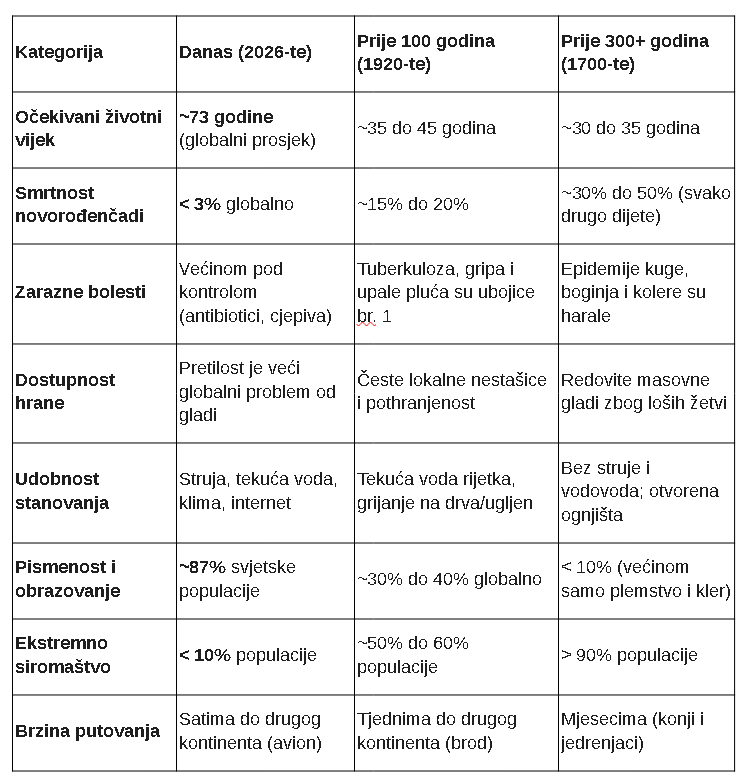
Ovo je izvrstan način da se kvantificira napredak koji često uzimamo zdravo za gotovo. Usporedba današnjeg svijeta s onim od prije 100 ili 300 godina pokazuje nevjerojatan skok u kvaliteti života, unatoč svim modernim izazovima.

Evo tabličnog prikaza ključnih pokazatelja ljudskog razvoja:

Globalna usporedba: Danas vs. Prošlost

Kvaliteta života

KOMUNIZAM

I sada možemo primijetiti da su mnoge ideje o kojima smo pričali nastale idejom komunizma.

Osnovna ideja komunizma je stvaranje besklasnog društva u kojem ne postoji privatno vlasništvo nad sredstvima za proizvodnju (tvornicama, zemljom, rudnicima), već je sve u zajedničkom (društvenom) vlasništvu.

Evo ključnih stupova te ideologije:

  • Ukidanje klasnih razlika: Marx i Engels su smatrali da je povijest zapravo povijest klasne borbe između onih koji posjeduju kapital (buržoazija) i onih koji prodaju svoj rad (proletarijat). Komunizam je težio ukidanju te podjele.
  • Zajedničko vlasništvo: Umjesto da pojedinac posjeduje resurse, njima upravlja zajednica. Time bi se eliminirala eksploatacija radnika radi profita pojedinca.
  • Raspodjela prema potrebama: Glavno načelo komunizma glasi: “Od svakoga prema sposobnostima, svakome prema potrebama.” To znači da bi svatko radio ono što može, a dobivao ono što mu je nužno za život.
  • Nestanak države i novca: U svojoj završnoj, idealnoj fazi, komunizam je predviđao da će potreba za državnim aparatom, vojskom i novcem potpuno nestati jer više neće biti sukoba oko imovine.

Razlika između ideje i prakse

Važno je napomenuti da se teorijski komunizam (iz knjiga) značajno razlikovao od real-socijalizma koji smo vidjeli u 20. stoljeću (SSSR, Jugoslavija, Kina). U praksi su ti sustavi često dovodili do autoritarnih režima, gušenja ljudskih prava i ekonomske neefikasnosti, što je u suprotnosti s prvotnom idejom o “oslobađanju čovjeka”.


ODNOS IZMEĐU KAPITALIZMA I KOMUNIZMA

Bill Gates je kroz godine često komentirao odnos između kapitalizma i socijalizma/komunizma, ali njegova perspektiva nije crno-bijela. On se uglavnom ne zalaže za ideološko rušenje sustava, već za njegovu evoluciju.

Evo ključnih točaka njegovog razmišljanja:

1. Kapitalizam kao motor inovacija

Gates čvrsto vjeruje da je kapitalizam najuspješniji sustav za poticanje inovacija i tehnološkog napretka. Njegov argument je da privatni interes i tržišno natjecanje tjeraju ljude da stvaraju nove lijekove, softvere i energetska rješenja.

  • Njegov stav: Samo tržište može brzo i učinkovito “nagraditi” dobru ideju koja rješava problem milijuna ljudi.

2. Neuspjeh tržišta kod siromašnih (Problem kapitalizma)

Gates često ističe jednu veliku manu čistog kapitalizma: on ne mari za ljude koji nemaju novca.

  • Primjer: Tržište će uložiti milijarde dolara u lijekove protiv ćelavosti jer bogati ljudi to mogu platiti, ali će ignorirati malariju, koja ubija milijune siromašnih, jer na njima nema profita.
  • Njegov zaključak: “Tržište ne motivira znanstvenike, vlade ili tvrtke da rade prave stvari” za najsiromašnije.

3. “Kreativni kapitalizam” (Njegovo rješenje)

Umjesto povratka na komunizam ili državnu kontrolu, Gates predlaže koncept koji on naziva Kreativni kapitalizam.

  • To je sustav u kojem vlade, tvrtke i neprofitne organizacije surađuju kako bi rastegnuli doseg tržišnih sila. Cilj je da tvrtke ostvaruju profit, ali istovremeno rješavaju svjetske probleme (poput gladi ili bolesti).

4. Poveznica s porezima i socijalnom državom

Iako ga mnogi vide kao simbol kapitalizma, on se često zalaže za veće poreze bogatima (uključujući sebe) kako bi država mogla financirati zdravstvo i obrazovanje. On smatra da ekstremne nejednakosti koje stvara čisti kapitalizam nisu održive.

5. O komunizmu (Kina kao primjer)

Kada govori o Kini, Gates priznaje da je njihov model (koji kombinira autoritarnu vlast s elementima kapitalizma) postigao nevjerojatne rezultate u izvlačenju stotina milijuna ljudi iz siromaštva. Međutim, on ne hvali ideologiju komunizma, već učinkovitost države u provođenju velikih infrastrukturnih i zdravstvenih projekata.


Ukratko: Bill Gates smatra da je komunizam kao ekonomski sustav neuspješan jer guši poticaje, ali isto tako tvrdi da je “sirovi” kapitalizam okrutan prema siromašnima. Njegova vizija je hibrid: kapitalistička inovacija usmjerena prema općem dobru kroz filantropiju i pametnu državnu regulaciju.

To se zapravo jako dobro uklapa u tvoju ideju o Univerzalnoj etici – sustavu gdje profit nije jedino mjerilo uspjeha, već ljudsko blagostanje.


VJEČNO GORUĆA LAMPA

Rozenkrojcerske misli o vječno gorućim svjetiljkama drevnih

Od W. Wynna Westcotta

Frater Roseae Crucis.
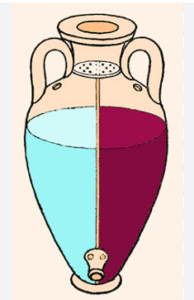
Vječno goruća lampa

(Bilješka prevodioca: Preveo sam ovaj zanimljivi tekst od W. Wynna Westcotta: Vječno goruća lampa. Suzdržao sam se od komentara. Neka svatko sam prosudi jeli to istina ili mit. Vjerujem da će vas ova priča potaknuti na razmišljanje.)

Današnji prosječan Englez smatra ideju o svjetiljci koja bi trebala vječno gorjeti samo manje apsurdnom od ideje vječnog kretanja. Za površnog istraživača moderne znanosti to je tek nešto manje apsurdno, ali za najdublje mislioce i za rozenkrojcere, bljesak svjetla pojavljuje se u ovoj tajanstvenoj temi. Pravi adept je otkrio da iako je Priroda vezana općim zakonima koji se čine univerzalnim, ipak se u samoj Prirodi mogu pronaći dokazi, kada se pravilno istraže, da u određena vremena i godišnja doba, i na određene načine, nama nepoznate, njezini zakoni bivaju nadjačani i zamijenjeni silom kojoj se ona, moćna majka, mora pokloniti. Stranice svjetske povijesti predstavljaju nam mnoge primjere takvih događaja, koje općenito klasificiramo kao čuda; neki od njih su jednako autentični kao i bilo koje točke u drevnoj povijesti. Izraelski prelazak preko Crvenog mora, gutanje Jone od strane kita koje ga je vratilo živog, i Isusovo Uzašašće, primjeri su. Moć proricanja je proturječje običnim moćima zemaljskih bića i do sada je čudesno. Anđeoski posjetitelji sada rijetko dolaze iz područja slave; je li nebo udaljenije? Ili su se ljudi ohladili? Rozenkrojceri su ništa ako ne kršćani, a kršćani su oduvijek vjerovali u čuda ili su ikada priznavali postojanje Svemogućeg koji ponekad može djelovati na takav način da tragove i korake procesa ostavi tako skrivenima da navede podrugljivce na sumnju, a sumnjičavce na ruganje.

Ali premda je perpetuum mobile za nas, zemaljske smrtnike, samo san, ne sumnjamo u buduće trajno postojanje i jednako je razumno zamisliti si perpetuum plamen kao Vječnost Života. Stari egipatski svećenici zamišljali su život kao plamen. Veliki Majstor Hrama ovoga svijeta, budući da je svemoćan i sposoban činiti sve, obično ne čini čuda, inače se ona neće cijeniti kao takva; bit čuda je rijetkost, oponašano čudo nije drugo čudo. Obični događaji, dakle, budući da su krajnost suprotnosti čudu, ipak postoje događaji treće i srednje vrste, čuda, koja ljudi ne mogu razumjeti, ali koja su ipak proizvod posebnog dara određenim ljudima, njihovim duhovima, umovima i tijelima, koji su dužnom, pažljivom i dovoljnom obukom, mudrošću i iskustvom zaslužili takvu nagradu.

Takav bi trebao biti tipični rozenkrojcer, zemaljsko zemaljsko Tijelo, Hram u kojem prebiva um obučen za razumijevanje moći Prirode, a unutar njega, poput baldahina, trebao bi sjediti Božanski afflatus, dio Božjeg Duha, ala Nebeskog Goluba koji je lebdio nad kaosom, i taj duh može, otvorenom podložnošću Božanstvu i aktivnim naporima na vlasti, privući sebi zadatak da čini čuda, i tako činiti „ne kao što to čine drugi ljudi“.

Velika tendencija modernog doba bila je svesti sve ljude na razinu, mrtvu razinu, osrednjosti, napora kobnog za nadmoć pojedinaca, i koji je težio obeshrabriti istraživanje Skrivenih Misterija Prirode i Znanosti, za razliku od papagajskog proučavanja onoga što je poznato kao moderna znanost, proučavanja od ogromne vrijednosti za čovječanstvo, ali ipak ne i stepenice na izravnom putu do Božanstva. Povijest zatim pripovijeda živote mnogih ljudi koji su, zbog iskazivanja neuobičajenih moći i transcendentalnih sposobnosti i mudrosti, istaknuti kao posjednici onoga što bismo s pravom mogli nazvati okultnom inspiracijom, „Poeta nascitur non fit“; ali trebao bih dodati „Magus nascitur non solum fit“. Nijedna slučajnost rođenja sama po sebi ne može učiniti Magičara, ali intenzitet pravilno usmjerenog truda može to učiniti kod određenog broja osoba s posebno povoljnim mentalnim sposobnostima. Svi se možemo roditi s jednakim pravom na postojanje; ali apsurdno je reći da svi trebamo biti poglavice ili mudraci, jer, kako nam je rečeno u Majstorskom stupnju, „neki moraju vladati, a neki se pokoravati“.

Godine 1484. umro je Christian Rosenkreuz, naš veliki prototip; bio je takav čovjek; svojim odredbama i Društvom koje je osmislio, potresao je cijeli kršćanski svijet stoljećem i postavio temelje građevine koju i danas gradimo. U njegovoj grobnici, kada su je otvorili Fratri, 1604. godine, ili 120 godina nakon njegove smrti, pronađene su, uz ostale misteriozne predmete, svjetiljke posebne i neobične konstrukcije; stoga je proučavanje nadgrobnih svjetiljki za nas posebno važno. Otkriće svjetiljki u drevnim grobnicama, u nekim slučajevima ugašenih, u drugima koje su gorjele sjajem, nije bila rijetkost u srednjem vijeku; ali uništavajuće ruke Gota i Vandala ostavile su malo drevnih grobnica za moderno istraživanje. Moramo se zadovoljiti zapažanjima i izvještajima naših predaka, pripovijestima arapskih, rimskih i srednjovjekovnih autora. Ne manje od 170 takvih autoriteta pisalo je o ovoj temi. Mnogi od ovih referenci, u grčkoj i latinskoj književnosti, na luminantna tijela, fosforescenciju i „mistične svjetiljke pronađene u grobnicama“, zaslužuju proučavanje i isplatit će se pročitati.

Tama smrti i tama groba su, i oduvijek su, uobičajene fraze; ne čudi stoga da su ih drevni ljudi nastojali umanjiti. Stoga nalazimo da su rođaci preminule osobe željeli ublažiti tamu koja je visila nad grobom voljene supruge, ljubaznog roditelja ili poštovanog brata, na bilo koji način koji im je bio u moći.

Uključiti svjetiljku u grobnicu i ostaviti je upaljenu bila je ljubazna pažnja, čak i ako je gorjela samo jedan kratki sat; bila je to žrtva Plutonu, Manesu; tjerala je zle duhove i čuvala mir mrtvacu: ovo znanje o ograničenom vremenu koliko je takva svjetiljka mogla ostati upaljena djelovalo je, bez sumnje, kao poticaj za otkriće načina za produljenje goruće snage svjetiljke u nedogled, i ako dobro čitam povijest, u barem nekoliko slučajeva problem je riješen; barem što se tiče izrade svjetiljke koja bi trebala gorjeti dok je ne poremeti barbarski osvajač njezinih područja. Navest ću nekoliko primjera, pretpostavljajući da su to slučajevi različitih načina postizanja željenog učinka; osim ovih slučajeva, drevni latinski autori govore o upotrebi ne samo svjetiljki, već i prirodnih svjetlećih tijela kao rasvjetnih tijela, što bi bilo dovoljno da donekle rastjera tamu. Takvi su bili dijamant, karbunkul, krijesnica, izlaganje fosfora zraku, paljenje određenih tvari koje gore same bez ikakvog fitilja ili uređaja, poput kamfora, koji će gorjeti čak i plutajući na vodi. Čini se da je prisutnost zapaljivog plina, koji izlazi iz pukotina u stijeni u nekim rudnicima i špiljama, bila poznata i vjerojatno su je iskoristili drevni mudraci kako bi pojačali misterij i veličanstvenost svojih tajnih obreda. Vrlo je moguće da su neki od drevnih svećenika bili svjesni sjajnog svojstva nekih oblika kalcijevog sulfida, koji su posljednjih nekoliko godina privukli mnogo pažnje, u obliku svjetleće boje.

Također ću navesti da u povijesti dalekih vremena postoje reference koje sugeriraju da tajanstvena svjetlost kojom se sada tako slobodno rukuje i proizvodi elektricitet nije bila nepoznata drevnim mudracima. Numa, rimski kralj, proučavao je elektricitet i ostavio učenike svoje umjetnosti, za kojeg nam se kaže da je bio njegov nasljednik Tul Hostilius, koji je uništen dok je pokušavao s neba privući i prisiliti električni fluid iz grmljavinskih oblaka, ili, kako su rekli, ispred Jupitera Tonana. Elifaz Levi primjećuje: „Sigurno je da su zoroastrijski mudraci imali sredstva za proizvodnju i usmjeravanje električne energije koja su nama nepoznata.“ – „Historie de la Magie“, str. 57. Srednjovjekovni znanstvenici su u potpunosti raspravljali o nekoliko točaka u vezi s vječno gorućim svjetiljkama, ali u svim slučajevima bez ikakvog konačnog rezultata; mnogo je erudicije potrošeno na pitanje je li svjetiljka pronađena kako gori prilikom otvaranja grobnice bila zapaljena ulaskom zraka i nije li zapravo gorjela sve dok nije bila poremećena; Postoje moderni dokazi u prilog ovom stajalištu, iz analogije nekih kemijskih eksperimenata, kao što je, na primjer, fosforizirano ulje nevidljivo u mraku kada je zatvoreno u zatvorenoj bočici, a kada se ona otvori, iz nje se izlije svjetlost. S druge strane, postoje dokazi da su neke od svjetiljki zapravo izblijedjele i ugasile se kada je otvorena špilja u kojoj su pronađene, kao što tanka metalna žica usijana do bijelog uslijed struje u zatvorenoj staklenoj posudi usisanom prestaje sjati kada se staklo razbije; druge su opet gorjele i teško su se mogle ugasiti vodom ili drugim sredstvima, sve dok se nije razbio uređaj svjetiljke.

Drugi autori, uzimajući zdravo za gotovo da su neke od ovih svjetiljki gorjele stotinama godina, raspravljali su o nužnoj vezi između potrošenog ulja ili tekućine i fitilja. Što se tiče fitilja, postoji nekoliko naziva tvari koje se predlažu kao nezapaljive; ali vjerojatno su to samo sinonimi za jednu tvar, naime, azbest, koji se čak i danas koristi u našim plinskim kaminima. Ne sagorijeva, iako je stalno vruć s plamenom koji treperi nad njim. Drugi nazivi za njega bili su –

Asbestinum-Plutarh koristi ovaj izraz, Plinije, Solinus i Baptista Porta; Linum Asbestinum Albertusa Velikog.

Amiantus-od Pancirola i Lucija Vivesa.

Perjanica Alum – Vidi Cyclopaedia autora E. Chambersa, 1741., čl. „Allum“, a tako ga nazivaju Wecker, De Secretis, lib. 3, cap. 2, i Agricola.

Earth Flax-Dr. Plot koristi ovo ime.

Linum Vivum—Spominje ga Plutarh, također kao Linum Carpasium i Lapis Carystius—vidi De Defectu Oraculorum i Pausanias u svom Atticusu.

Daždevnjakova vuna – tako su je nazvali fratar Bacon i Joachimus Fortius.

Znamo da su stari ljudi isprobavali nezapaljive metalne žice kao fitilje; ali su otkrili da ulje ne prolazi kroz njih kao što prolazi kroz vlakna pamuka ili vune. – Vidi “Philos. Transactions,” br. 166, str. 806, iz 1684. godine.

Što se tiče ulja za svjetiljku, ne postoji konsenzus o njegovoj prirodi; nijedan od autoriteta koji pripovijedaju o pronalasku svjetiljki ne opisuje ga ni na koji način, no mnogi latinski autori raspravljaju o njemu. Neki o njemu govore kao o bitumenskom ulju, dobivenom iz zemlje, predviđajući tako nedavnu opsežnu upotrebu nafte. Nitko od njih ga definitivno ne povezuje ni s jednim poznatim životinjskim ili biljnim uljem. Međutim, postoje mnoge mistične reference na rad alkemičara, koji su mislili da mora biti prirode eteričnog ulja Sol-a, metala zlata, da bi se iz njega moglo dobiti alkemijskim procesima. Sol, kažu, mora se otopiti u masnu tekućinu ili se radikalna vlaga Sol-a mora odvojiti. – Vidi “Wolfhang Lazius”, lib. III., c. 8, i “Camden Brittania”, str. 572. Jer, kažu oni, budući da je zlato toliko čisto da podnosi ponovljena taljenja bez rasipanja, pa ako se otopi u uljni ostatak, takav bi trebao podržavati vatru bez sagorijevanja.

Na ovom mjestu može se prikladno objasniti da su najstariji alkemičari imali neobične stavove o plamenu i vatri. Vatra je za njih bila element – jedan od četiri; u prirodi su postojale dvije suprotnosti, tri principa i četiri elementa. Vatra, kao takva, ne bi trebala zahtijevati ono što nazivamo gorivom za trošenje; već samo kao sredstvo za njezino zadržavanje na određenom mjestu. – Vidi “Licetus, De Lucernis”, poglavlja 20-21 i “Teofrast”. Rekli su da može postojati odnos između vatre i goriva tri vrste – ako snaga vatre premašuje snagu tekućine, ona odmah izgara; ako je tekućina prejaka za vatru, vatra nestaje; ali ako su radikalna snaga tekućine i vatre jednaki, tada bi, caeteris paribus, ta vatra neprestano gorjela, sve dok se okolna stanja radikalne vlage ili prirodne topline ne promijene vanjskim okolnostima, kao da se plamen natjera da gori u zatvorenom trezoru, on bi nestao kada se takav otvori.
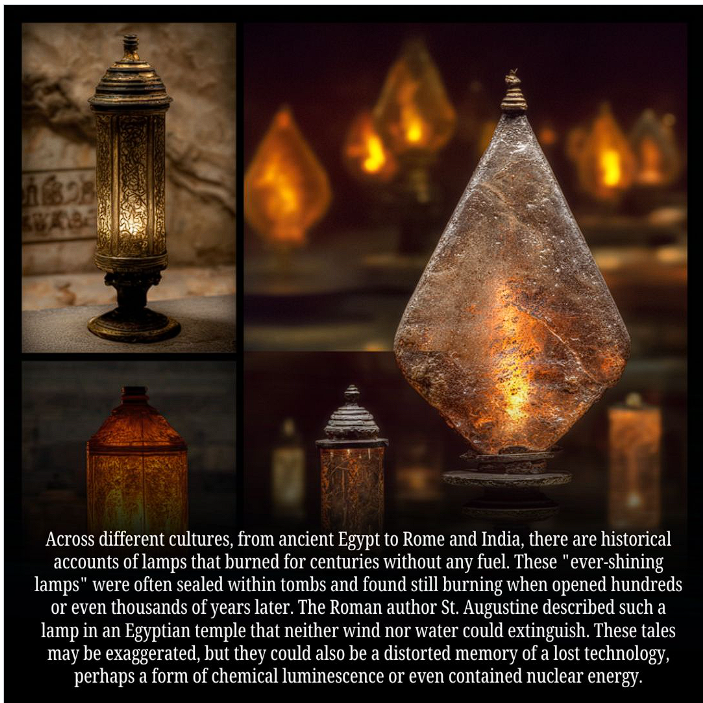
Rozenkrejcerske i alkemijske doktrine, posebno njihovi stavovi o vezi između vatre i vode, dovedene su u bliski kontrast s dogmama religije Hebreja u nekim dijelovima, barem, svetih spisa, posebno u svesku “Makabejaca”, knjiga II., poglavlje I., gdje nam se kaže da je, kada su Židovi odvedeni u ropstvo u Perziju, svećenik uzeo Svetu vatru s Oltara i sakrio je na suhom, udubljenom mjestu. Mnogo godina kasnije, u povoljnijim vremenima, Nehemija je poslao svećenike da donesu ovu vatru, ne sumnjajući u njezino postojanje; umjesto nje pronašli su samo vodu. Nehemija je dao napraviti žrtveni oltar od drveta i drugih materijala, a ta je voda izlivena na njih, pred svim narodom; kada su oblaci s neba prošli i pojavilo se sunce; tada se voda koja je bila izlivena preko žrtve rasplamsala. Veza između vatre i vode ponovno postaje istaknuta kada primijetimo čudo Ilije, koji je napravio žrtveni oltar, izlio vodu na njega, a vatra s neba spalila je vodu, prilikom kada je osudio Baalove svećenike koji nisu mogli učiniti isto. – Vidi Kraljevi I., poglavlje xviii. Blavatsky tvrdi da u današnje vrijeme svećenici tajnih hramova budista u Tibetu, Indiji i Japanu koriste azbest kao fitilj u svjetiljkama, koje neprestano gore bez nadopunjavanja. Trithemius, Libavius, njegov komentator, i Korndorf, oko 1500. godine, svaki je kemijskim procesima sastavio materijal za koji su tvrdili da će gorjeti vječno. Mateer, časni misionar, navodi da je znao za veliku zlatnu svjetiljku u šupljem mjestu unutar hrama u Trevandrumu, kraljevstvo Travancore, za koju je imao najbolji autoritet vjerovati da je neprekidno gorjela 120 godina. Abbe Huc, veliki putnik, navodi da je vidio i ispitao Vječno goruću svjetiljku.

Prema levitskom zakonu – Lev. vi., stih 13 – vatra na Jehovinom žrtveniku nikada se nije smjela ugasiti; ali nam nije rečeno da je ikada gorjela bez opskrbe. Sugerirano je da bi, ako su ikada postojale svjetiljke koje neprestano gore, bile primijenjene; ​​ali znamo da je svetom plamenu bilo dopušteno da se ugasi i da se obnavljao s neba u nekoliko navrata. – Lev. ix., 24; 2. Ljet. vii., 1; 1. Kraljevima xviii., 38. Drugi pisci zauzeli su drugu stranu argumenta, tj. da bi dar plamena kojem ne bi trebalo posvećivati ​​pažnju vodio idolopoklonstvu, kojem su Izraelci oduvijek bili skloni. Kaldejci i Perzijanci su u hramovima održavali trajnu vatru.

Neki znanstvenici smatrali su da spomenuti “prozor” postavljen u Noinoj arci nije bio takav, jer tijekom razdoblja dugotrajnih oblaka i oluje prozor ne bi trebao osvjetljavati takvu komoru. U hebrejskoj verziji Postanka, poglavlje 6, stih 16, riječ je tzer, što znači “nešto prozirno”, a treba je usporediti sa sličnom riječju zer, koja se uvijek prevodi kao “sjaj” ili “svjetlost”, stoga sugeriraju da je ovaj tzer, ili zer, bio neki oblik vječnog svjetla ili “univerzalnog duha fiksiranog u prozirnom tijelu”, slično Tajanstvenom Urimu i Tumimu.

Kaže se da alkemija i njezina nasljednica, kemija, potječu iz Egipta, zemlje drevnih čuda, i doista, ta su imena usko povezana, drevni naziv Egipta je Chm ili Zemlja Ham, odakle je izveden naziv Chymia, na grčkom Chemi i Ges Cham. Učeni Kircher piše 1650. godine da je nekoliko putnika u Egiptu u njegovo vrijeme pronašlo goruće svjetiljke u grobnicama u Memfisu.

Numa Pompilius, rimski kralj, koji je zasigurno eksperimentirao s prirodnim elektricitetom oblaka, sagradio je hram nimfi Egeriji i u njemu napravio sfernu kupolu u kojoj je u njezinu čast dao zapaliti Vječni plamen vatre; ali na koji je način taj plamen proizveden, ne znamo. Nathan Bailey u svom „Britanskom rječniku“ iz 1736. primjećuje da su se u Muzeju rijetkosti u Leydenu u Nizozemskoj nalazile dvije takve svjetiljke, samo djelomično uništene.

Za vrijeme papinstva Pavla III., oko 1540. godine, u grobnici na Apijskom putu u Rimu pronađena je svjetiljka koja je još uvijek gorjela, za koju se pretpostavlja da pripada Tullioli, Ciceronovoj kćeri. Na grobnici je pisalo: „Tulliolae Filiae Meae“; umrla je 44. godine prije Krista; gorjela je više od 1550 godina i ugasila se čim je bila izložena zraku; cijelo tijelo bilo je savršeno očuvano i pronađeno je kako pluta u posudi s uljem. Vidi „Pancirollus, Rerum Memorabilium Deperditarum“, svezak I., str. 115, Franciscus Maturantius, Hermolaus i Scardeonius.

Navodi se da je takva svjetiljka pronađena 1401. godine, za vrijeme vladavine Henrika III., kralja Kastilje, nedaleko od Rima, na Tiberu, u kamenoj grobnici Palasa, Arkađanina, sina Evandera, kojeg je ubio “Turnus Rex Rotulorum” u ratovima u vrijeme izgradnje Rima; ništa nije moglo ugasiti plamen ove svjetiljke dok se nije razbila. Na grobnici su bile riječi: “Filius Evandri Pallas, quem lancea Turni militis occidit, mole sua jacet hic.” – Vidi “Martianus, Liber Chronicorum”, lib. xii., cap. 67.

(Opp. prijevod latinske rečenice: “Ovdje leži, svojom veličinom, Evandrov sin Palant, kojeg je ubilo koplje vojnika Turna.” )

Dvije milje od Rima poplava je srušila zid i otkrila drevnu grobnicu; na pokrovnom kamenu bila su slova „P.M.R.C. cum Uxore“; u njemu je pronađena zemljana urna; kada se slomila, izašao je bitumenski dim; na dnu se nalazila svjetiljka koja se ugasila; fragmenti su još uvijek bili uljni; to se osušilo nakon izlaganja. – Vidi „Lowthorp, Abridgement of Philos. Trans.“, sv. III., odjeljak xxxv., također br. 185, str. 227.

U nekom hramu Venere u Egiptu visjela je svjetiljka koju ni kiša ni vjetar nisu mogli ugasiti, kaže sveti Augustin u svom djelu „De Civitate Dei“, lib. xxi., cap. 6, i on njezinu izradu povezuje s magijom i vragom, kao što to čine i svi rimokatolički autoriteti kad god spomenu bilo koju od ovih svjetiljki. Fortunije Licet opisuje ovu svjetiljku u svom djelu „De Reconditis Lucernis Antiquorum“, cap. vi., i vidi „Isidor, De Gemmis“.

Ludovicus Vives, 1610., u svojim bilješkama sv. Augustinu, kaže da je u vrijeme njegova oca, 1580. godine, u grobnici pronađena svjetiljka koja je, prema natpisu, bila stara 1500 godina; raspala se na komadiće kada bi je se dotaknula. Ovaj komentator ne slijedi svog učitelja u osudi ovih svjetiljki, već kaže da su ih morali izraditi ljudi najveće vještine i mudrosti. – Vidi također „Maiolus, Episcopus, Colloquies“.

U Edesi, ili Antiohiji, u udubljenju iznad ulaza, vojnici perzijskog kralja Hozroja pronašli su goruću svjetiljku, složeno zatvorenu od zraka. Iz upisanog datuma znalo se da je tamo postavljena ubrzo nakon Kristova vremena, ili 500 godina ranije. Pored ove svjetiljke pronađen je pričvršćen raspelo. – Vidi “Fortunius Licetus”, poglavlje vii., i Citesius u svom djelu “Abstinens Consolentanea”. Na vulkanskom otoku Nesisu, blizu Napulja, 600. godine pronađena je mramorna grobnica, a kada je otvorena, sadržavala je vazu u kojoj je još uvijek bila upaljena svjetiljka; svjetlost je izblijedjela i ubrzo se ugasila kada je vaza razbijena. Vidi “Licetus”, poglavlje x. Vidi “Baptista Porta, Magia Naturalis”, lib. xii. poglavlje ult., 1658. godine.

Vrlo značajan primjer dogodio se u otkriću svjetiljki zakopanih u urnama oko 1500. godine; posjedovao ih je Franciscus Maturantius i opisao u pismu svom prijatelju Alfenu; bile su zakopane 1500 godina. Radnik u Atesteu, blizu Padove, u Italiji, pronašao je grobnicu u kojoj se nalazila lažna urna, a unutar nje stajala je druga urna, a u ovoj manjoj svjetiljka koja je jarko gorjela; a sa svake strane nalazila se posuda ili ampula, svaka puna čistog tekućeg ulja; jedna je bila od zlata, a druga od srebra. Na vanjskoj urni bile su ugravirane ove riječi: –

Plutoni sacrum munus ne attingite fures, Ignotum est vobis hoc quod in urna latet Namque elementa gravi clausit digesta labore, Vase sub hoc modico Maximus Olybius. Adsit secundo custos sibi copia cornu Ne tanti pretium depereat laticis.

Lopovi! Ne dirajte ovaj dar posvećen Plutonu, Ne znate što je skriveno u njemu, Jer Maksim Olibije je u ovu malu urnu zatvorio elemente probavljene teškim radom, Neka obilje bude prisutno u drugoj vazi kao čuvar, Da vrijednost tolikog ulja ne propadne.

Na manjem su bile ove riječi:-

Abite hinc pessimi Fures Vos quid vultis, vestris cum oculis emisitiis. Abite hinc, vestro cum Mercurio Petasato caduceato que Donum hoc Maximum, Maximus Olybius Plutoni sacrum facit.

Gubite se odavde, zločesti lopovi, Što želite sa svojim prevrtanjem očima? Gubite se odavde sa svojim Merkurom u širokom šeširu Noseći štap s uvijenim zmijama. Maksim Olibije čini ovo, Svoju najveću žrtvu, svetim Plutonu.

Vidi “F. Licetus,” cap. ix., i “Scardeonius, De Antiq. Urbis Patavinae; Rubeus, De Distillatione,” i “Lazius, Wolfhang,” lib. iii., kap.18.

Hermolaj Barbarus, u svom djelu Korolarij Dioskoridu, govori o čudesnom piću za održavanje gorenja, poznatom Demokritu i Trismegistu.

Jacobus Mancinus napisao je Licetusu da zna za zapaljenu svjetiljku iskopanu iz Monte Cavalla u Rimu; još je uvijek gorjela kada je pronađena, a u njoj se nalazila bitumenska tvar.

Plutarh u svom djelu „De defectu Oraculorum“ navodi da je u hramu Jupitera Amona svjetiljka stajala na otvorenom i da je ni vjetar ni kiša nisu ugasili, a svećenici su mu rekli da je godinama neprestano gorjela. – Vidi također „Licetus“, poglavlje v. Herodot nam govori da su Egipćani posebno i opsežno koristili svjetiljke u vjerskim blagdanima te da su hramovi kralja Mikerina imali mnogo tajanstvenih. Strabon i Pausanija u svom Atticusu pripovijedaju da je u hramu Minerve Polias u Ateni uvijek gorjela tajanstvena zlatna svjetiljka; izradio ju je Kalimah. Oltar hrama Apolona Karneja u Cireni bio je slično opremljen. Sličan izvještaj o velikom hramu Aderbaina u Armeniji daje Said Ebn Batric.

Kenealy u svojoj „Božjoj Knjizi“ skreće pozornost na ime Carystios koje se primjenjivalo na azbestne fitilje svjetiljki u starogrčkim hramovima i skreće pozornost na njegov odnos prema Kristu i euharistiji, pomazanoj uljem, kao prema vječno gorućim svjetiljkama pred prijestoljem, kao u Apokalipsi.

Chrs.=[hebrejski: ChRSh]=solarna vatra.

Chre.=[hebrejski: ChRH]=sunce=gorio je.

Krs.=[hebrejski: KRSh]=sunce=(grčki?-EO)Kupios= Cyrus.

Ceres=zvala se Taedifera=nositeljica baklje.

Chrs., odatle dolazi i Eros na grčkom, materijalno svjetlo koje dolazi od neizrecivog svjetla. Postoji neobična referenca na azbest u odnosu na vatru i toplinu sunca u Kircherovom “Ekstatičnom putovanju u nebo”, gdje Casmiel, genij ovoga svijeta, daje Teodikaktu azbestni brod da se ukrca na svoja putovanja prema i na suncu, središtu topline. Vidi “Itinerar 1, Dijalog 1”, poglavlje 5.

Irska predaja pripovijeda o tajanstvenom vječnom plamenu u hramu u Kildareu, posvećenom sv. Brigiti, Kćeri Ognja. – Vidi Giraldus Cambrensis, De Mirab. Hibern. 2, xxxiv.

Khunrath, u svom djelu „Amphitheatrum Sapientiae Aeternae“, citira drevnog autora „Apokalipse slatkog duha prirode“ koji govori o tekućini koja gori jarkim svjetlom i ne rasipa se.

Prilikom raspuštanja samostana u Britaniji, po nalogu Henrika VIII., grobnica u Yorkshireu, za koju se tvrdilo da pripada Konstanciju Kloru, ocu Velikog Konstantina, otvorena je i pretresena, a u njoj je pronađena goruća svjetiljka: umro je 300. godine. – Vidi Camden “Brittania” (Goughovo izdanje, III. str. 572.)

Lazius, u svom “Comment. Reipub. Romae”, piše da su Rimljani pod Carstvom posjedovali tajnu očuvanja svjetla u grobnicama pomoću uljastog zlata, koje je njihova umjetnost pretvorila u tekućinu. – Vidi lib. III., poglavlje 18.

U Španjolskoj, blizu Cordobe, blizu nalazišta drevnog Castellum priscum, otkrivena je drevna rimska grobnica; u toj grobnici pronađena je svjetiljka. Ovu svjetiljku opisuje g. Wetherell iz Seville. Vidi esej Wraya, „Athenaeum“, 8. kolovoza 1846.

Posljednji izvještaj koji vam namjeravam navesti je od dr. Roberta Plota, arheologa, napisan u vrijeme Karla II., kako slijedi: –

Neki čovjek, kopajući, nakon što je na jednom mjestu iskopao zemlju dublje nego inače, naišao je na vrata koja je potom uspio otvoriti i ispod njih pronašao silazni prolaz sa stepenicama; njima se spustio i konačno, s mnogo strepnje i mnogo odgađanja, stigao do ulaza u grobnicu.

Ovu podzemnu komoru osvijetljavala je svjetiljka postavljena ispred kipa oklopljenog čovjeka koji je sjedio za stolom, oslanjajući se na lijevu ruku; u desnoj ruci držao je žezlo ili oružje.

Kad se uljez približio, dio poda se pomaknuo pod njegovom težinom i figura se podigla. Na sljedećem koraku ruka se podigla, a kad je čovjek napravio treći korak, ruka se spustila, razbivši svjetiljku i ugasivši je. Čovjek se prestrašio i brzo se povukao čim se dovoljno osvijestio da pronađe izlaz iz grobnice.

Mjesto je neko vrijeme postalo poznato kao grobnica rozenkrojcera i smatralo se trijumfom mistične vještine i znanja, što je istovremeno dokazalo posjedovanje neslućenih moći kod tvorca, a opet pružilo sredstva za sigurno čuvanje njegove tajne. Vidi također „Spectator“, br. 379, iz 1712.

Ovaj esej već je prešao predviđene granice, stoga se suzdržavam od dugog rezimea. Ove stranice pružaju mnogo hrane za razmišljanje. Da su svjetiljke gorjele dugo vremena bez nadzora svjedoči više od 150 autoriteta, a desetak primjera ovog čuda svjedoči velik dio tih autora.

Zbog vremena koje je proteklo otkako su pronađene vječne lampe, i zbog relativnog neznanja svijeta u tom razdoblju daleke prošlosti, javlja nam se određeno oklijevanje i sumnja u točnost detalja, a to je neizbježno.

Ali konsenzus drevnog mišljenja mora ukazivati ​​na široki zaključak da je nekoć postojala umjetnost koja je izgubljena u prigušenom svjetlu mračnog doba svijeta. Pancirollus katalogizira mnoge druge takve izgubljene umjetnosti, a moderna znanost je zbunjena izvođenjem mnogih djela koja su drevni mudraci mogli slobodno učiniti.

Pokazalo se da su nekoliko naših najmodernijih otkrića anticipirali ljudi koje moderni znanstvenici s prezirom gledaju. Tako je oduvijek bilo. Zemlja malo zna o svojim najvećim ljudima; njezini najveći ljudi su samo patuljci u prisutnosti vremena, starine i budućnosti. „Znanje dolazi, ali mudrost ostaje“, rekao je pjesnik laureat. Kršćanski rozenkrojcer može samo uzviknuti –

“Vodi me, ljubazno Svjetlo, vodi me;

Noć je mračna, a ja sam daleko od kuće.”

FILOZOFIJA KINESKOG SLIKARSTVA

“Pecanje na planinama”

Možda se čini glupo ići u ribolov u planinama, ali svima nam treba mjesto za bijeg i razmišljanje. Na ovoj slici čovjek ne očekuje da će uloviti ribu, već je tu da razmišlja i promišlja o svom životu ili pronađe rješenja za bilo kakve probleme koje bi mogao imati i jednostavno se na neko vrijeme odmakne od stvarnog svijeta.
Principi kineskog slikarstva

Ptica – Lee Xiang Ming;

Slika sadrži sve principe kineskog slikarstva. Crni tuš je domaćin, a motiv je gost. Stoga stari slikari uvijek slikaju crnim tušem. Smatraju da su slike u boji kič. Osjetite kako ova slika odmara oči. Nije napadna. Tu imamo harmoničan odnos jina i janga, tj. ispunjenog i praznog prostora, svijet oblika i praznina Tao-a. Ptica predstavlja zrak, pokretljivost, ljudsku dušu i tu je njeno uravnoteženje, čvrsta i stabilna stijena. Ptica samo što nije skočila, tako slika neprestano odražava jednu napetost, dinamiku, život. Slika je tako naslikana da privlači sreću. Stoga ona ima i jedno dublje značenje koje prepuštam da sami otkrijete.

Jing i jang

Slikanje treba imati elemente jina i janga. Što je jin i jang? Zapadna kultura je popularizirala termine “jin i jang”, za dobro ili loše. Tako, krivo razumijevanje ili kriva upotreba termina jin/jang nije iznenađujuća. Međutim kada imam radionice ili demonstracije ja slušatelje pitam koje je značenje jina i janga. Odgovori su vrlo različiti, a neki su vrlo smiješni. Tipični odgovori su: “dobro i loše”, “slabo i snažno”, “krug sa dvije točke, jedna tamna, jedna svijetla”. Odgovor je “dobar pokušaj”, ali jin i jang su više od same definicije riječi. U stvarnom smislu, jin i jang je način gledanja/doživljavanja svemira u kojem živimo.

Jin/jang u kratko može biti opisan kao tamno/svijetlo, žensko/muško, unutarnje/vanjsko. Međutim, ovo su samo riječi i ne opisuju istinsko značenje. Istinsko razumijevanje jina i janga se može izraziti u slikanju, poeziji ili u borilačkim vještinama. U kratko, suština jin janga je slijedeća:

” gdje ima svijetla, treba biti i tame,
” gdje je oblik, treba biti i prazan prostor,
” gdje je gore, treba uvijek biti i dolje,
” gdje je zatvoreno, treba uvijek biti i otvoreno,
” tamo gdje ima kvarenja, uvijek ima i života.

Ovo je princip jina i janga, udomaćen u svim daleko istočnim kulturama a posebno je važan u kineskom slikarstvu.

Tinta je važnija

Svi volimo svijetle boje, one razveseljavaju i daju život slikanju. Međutim, u kineskom slikarstvu tinta je važnija od “boje”. Drugim riječima dugine boje su samo dodaci ili gosti u slikanju. Kinesko slikanje ne počinje sa raznobojnim bojama. Njen skroman početak je bio ugljen na kamenim zidovima, u ovom slučaju tinta. Bez tinte kao domaćina, slikanje postaje “pozapadnjačena” verzija kineskog slikanja vodenim bojama, koja uništava svrhu kineskog slikarstva.

Domaćin i gost

Prethodni odlomak dotiče ideju domaćina i gosta u slikanju. Domaćin je važniji subjekt u slikanju, gost je ovdje potpora ili ravnoteža dominantnom domaćinu. Bilo da slikate pticu ili cvijet, uvijek je dominantan subjekt u slikanju, od manje važnog gosta. Gost ne treba nikad dominirati nad domaćinom, tada slikanje postaje izvan ravnoteže i neće biti ugodno oku. Prema tome, domaćin treba biti u centru, budući da gost sjedi samo po strani, čekajući da bude pozvan u goste u domaćinov prostor.

Potezi kistom

Potezi kistom ne prenose samo vještinu slikara već također ocrtavaju životnu suštinu subjekta. Peteljka cvijeta nacrtana sa jednim brzim potezom izgledat će življe i vitalnije nego peteljka nacrtana sa mnogo poteza. Stoga, nešto naslikano sa potezima kistom će izgledati i doživljavati će se življe nego slika koja ima malo ili uopće nema poteza.

Prijevodi – samo za osobne potrebe


A. COMMONLY AVAILABLE HERBS
 
ALFALFAMedicago saliva; Leguminosae Part Used: herb
 
160
 
Energetics: astringent, sweet/cooling/pungent PK- V+
 
Tissues: plasma, blood Systems: circulatory, urinary Actions: alterative, diuretic, antipyretic, hemostatic Indications: ulcers, edema, arthritis, vitamin or mineral deficiency Precautions: high Vata Preparation: infusion, powder (250 mg to 1 g)
 
ALFALFA is a natural mineral and vitamin supplement. It contains organic minerals like calcium, magnesium, phosphorus and potassium, and almost all known vitamins. It is also very high in chlorophyll. As such, it combines well with other natural supplements like dandelion, horsetail, nettles and parsley.
 
However, it is not entirely tonic or nutritive in the Ayurvedic sense, for by itself it does not really provide substance for building tissue. Its action is cleansing and detoxifying. It has a drying effect that may aggravate Vata, increasing emaciation.
 
For such individuals, it is best taken occasionally or as balanced out by more nutritive tonics.
 
It is a mild blood purifier and a good general beverage for Pitta (and also, to a lesser degree, Kapha) constitutions.
 
161
 
ALOEAloe spy.; Liliaceae
 
(S) Kumari, a young girl or virgin; aloe is so called because it imparts the energy of youth and brings about the renewal of the female nature.
 
(C) Lu hui Part Used: gel (fresh or powdered)
 
Energetics: bitter, astringent, pungent, sweet/cooling/sweet VPK
 
=
 
(gel), powder except in very low dosages will aggravate V
 
Tissues: works on all tissues Systems:
 
circulatory digestive, female reproductive, excretory Actions: alterative, bitter tonic, rejuvenative, emmenagogue, purgative, vulnerary Indications: fever, constipation, obesity, inflammatory skin conditions, swollen glands, conjunctivitis, bursitis, jaundice, hepatitis, enlarged liver or spleen, herpes, venereal diseases, amenorrhea, dysmenorrhea, menopause, vaginitis, tumors, intestinal worms Precautions: pregnancy, uterine bleeding Preparation: fresh gel, powder (100 to 500 mg)
 
162
 
ALOE gel is a wonderful tonic for the liver and spleen, for the blood and the female reproductive system. Aloe regulates sugar and fat metabolism and tonifies all the agnis, the digestive enzymes of the body; and at the same time it reduces Pitta. It is rejuvenative for Pitta and for the uterus.
 
Two teaspoons of it can be taken three times a day with a pinch of turmeric, as a general tonic. It is more palatable mixed with water or apple juice. Or three ounces of the gel can be taken from a fresh plant along with three ounces of water, three teaspoons of salt, brought to a boil and combined with one ounce of raw sugar and taken in teaspoonful doses.
 
Commercial aloe juices are often diluted and combined with other additives that may give them a different effect.
 
As a nutritive tonic, aloe can be combined with shatavari, as a bitter tonic with gentian, and as an alterative and emmenagogue with man-jishta. The fresh juice can be applied externally for burns, sores, herpes, etc.
 
Aloe powder is a powerful laxative that must be used in small amounts. The powder’s taste is nauseating and so it should be taken in capsules. The powder can also cause severe griping and should be taken with a carminative herb like turmeric or rose flowers.
 
163
 
BARBERRYBerberis spy.; Btrbtridactat
 
(S) Daruharidra, wood turmeric, owing to its similar properties to turmeric Part Used: root Energetics: bitter, astringent/heating/pungent PK- V+
 
164
 
Tissues: plasma, blood, fat Systems: circulatory, digestive Actions:
 
bitter tonic, alterative, antipyretic, laxative, anthelmintic, bacteriocidal, amoebicidal Indications: fever (remittent and intermittent), enlargement of liver and spleen, conjunctivitis, acne, boils, chronic dysentery (amoebic, bacillary), jaundice, hepatitis, diabetes Precautions: high Vata, tissue deficiency Preparation: decoction, powder (250 mg to 1 g), medicated ghee, paste BARBERRY is a bitter herb with a special heating potency
 
(prabhava), which is its special property to destroy Ama or toxins in the body. Generally speaking, it can be treated like other bitter herbs, with its Arta-reducing and Vata-increasing attributes. However, in this respect it is less likely to aggravate Vata (particularly when combined with turmeric)
 
than other such herbs.
 
Barberry is specific for cleansing the liver and regulating its function. For reducing Ama or fat in the body, it is combined with turmeric. With twice the amount of turmeric it can be used in diabetes. For controlling Pitta it can be used with other bitter tonics like golden seal or nimb leaves.
 
BASILOcinum spy.; Labiatae
 
(S) Tulsi
 
165
 
Part Used: herb Energetics: pungent/heating/pungent VK- P+ (in excess)
 
Tissues: plasma, blood, marrow and nerves, reproductive Systems: respiratory, nervous, digestive Properties: diaphoretic, febrifuge, nervine, antispasmodic, antibacterial, antiseptic Actions: colds, cough, sinus congestion, headaches, arthritis, rheumatism, fevers (generally), abdominal distention Precautions: high Pitta Preparation: infusion, powder (250 mg to 1 g), juice, medicated ghee Next to the Lotus, BASIL is perhaps the most sacred plant of India. Its quality is pure Sattva. Basil opens the heart and mind, bestowing the energy of love and devotion (bhakti).
 
Sacred to Vishnu and Krishna, it strengthens faith, compassion and clarity. Tulsi stems are worn as rosaries and promote the energy of attachment. Basil gives the protection of the divine by clearing the aura and strengthening the immune system. It contains natural mercury, which, as the semen of Shiva, gives the seed-power of pure awareness.
 
166
 
A plant of basil should be kept in every house for its purifying influence. Basil absorbs positive ions, energizes negative ions, and liberates ozone from the sun’s rays.
 
Basil is an effective diaphoretic and febrifuge in most colds, flus and lung problems. It removes excess Kapha from the lungs and nasal passages, increasing Prana and promoting sensory acuity. It also removes high Vata from the colon, improves absorption and strengthens the nerve tissue, increasing memory. Basil may be taken as a beverage with honey for promoting clarity of mind.
 
The fresh leaf juice is used externally for fungal infections on the skin.
 
BAYBERRYMyrica spy.; Myricaceae
 
(S) Katphah Part Used: bark, fruit Energetics: pungent, astringent/heating/pungent KV- P+
 
Tissues: plasma, blood, marrow and nerve Systems: respiratory, nervous, circulatory, lymphatic Actions:
 
diaphoretic, expectorant, astringent, emetic, antispasmodic, alterative Indications:
 
colds, flus, laryngitis, sinus and nasal congestion, sore throat, asthma, bronchitis, adenoids, fever, bleeding gums, chronic sores, epilepsy
 
167
 
Precautions: high Pitta, hyperacidity, hypertension Preparation: decoction, powder (250 mg to 1 g), paste BAYBERRY is a powerful anti-Kapha medicine. It dispels colds, mucus, cleanses the lymphatics and promotes emesis, all of which subdues high Kapha. It improves the voice, opens the mind and senses and clears the sinuses. Bayberry is a primary diaphoretic for colds and flus and works well with cinnamon and ginger. As an effective medicine for sore throats, spongy gums, it may be gargled. It can be “snuffed”
 
nasally or smoked to clear the lungs and sinuses. It decon-gests Vata in the head and strengthens Prana.
 
Bayberry promotes the healing of mucous membranes and when used as a paste or wash, it is good for old wounds and sores that do not heal.
 
Bayberry is sacred to Shiva and Shakti. Bayberry fruit is offered to Durga. The dry skin of the fruit is smoked to help calm the mind and open perception. Its quality is sattvic. It is one of the best herbs for the initial stage of diseases and mobilizes the defensive energy of the body.
 
BLACK PEPPERPiper nigrum; Piperaceae
 
(S) Marich, a name for the sun, owing to its containing large amounts of solar energy
 
(C) Hu jiao Part Used: fruit Energetics: pungent/heating/pungent
 
168
 
KV- P+
 
Tissues: plasma, blood, fat, marrow and nerve Systems: digestive, circulatory, respiratory Actions:
 
stimulant, expectorant, carminative, febrifuge, anthelmintic Indications: chronic indigestion, toxins in colon, degenerated metabolism, obesity, sinus congestion, fever, intermittent fever, cold extremities Precautions:
 
inflammatory conditions of the digestive organs, high Pitta Preparation: infusion, powder (100 to 500 mg), milk decoction, medicated ghee BLACK PEPPER is one of the most powerful digestive stimulants. It burns up Ama and cleanses the alimentary canal
 
(energizing Agni to destroy toxins and digest food). Black pepper can be taken nasally as a medicated ghee to relieve sinus congestion, headaches, and even epileptic seizures. It is a good antidote to cold food like cucumbers and for excessive intake of raw food and salads. Used externally it helps ripen boils and promote suppuration. Prepared in ghee, it heals inflamed surfaces, such as in urticaria and erysipelas. With honey, it is a powerful expectorant and mucus-cleanser, drying up secretions. If used excessively, black pepper can act as an irritant as its quality is rajasic.
 
BURDOCKArctium fayya; Compositae
 
169
 
(C) Niu bang Part Used: root and seeds Energetics: bitter, pungent and astringent (root also sweet)/
 
cooling/pungent PK– V+ (in excess)
 
Tissues: plasma, blood Systems: respiratory, urinary, circulatory, lymphatic Actions: alterative, diaphoretic, diuretic, antipyretic Indications: inflammatory skin conditions, rashes, cold with fever and sore throat, toxins in the blood, lymphatic clogging, nephritis, edema, kidney inflammation, hypertension Precautions: anemia, chronic chills, high Vata Preparation: infusion (cold or hot), decoction (root), powder
 
(250 mg to 1 g), paste BURDOCK has a strong action in cleansing the blood and the lymphatics. It clears congestion, reduces swelling and dispels toxins (either from the skin or through diuresis). Burdock seeds have a strong diuretic and detoxifying action and help relieve cough. Burdock root has more nutritive properties and is less likely to increase Vata. It can be considered a tonic and rejuvenative for Pitta for use on a regular basis. It is good for helping clear high Piitogenic emotions like anger, aggression and ambition.
 
170
 
Burdock can be used in most Ama conditions, including toxic fever (Ama jvara) and arthritis {Ama Vata). Burdock root works well with yellow dock. Burdock seeds can be used with coriander seeds. As a tonic for Pitta, burdock root can be combined with bhringaraj, in proportions of
 
2
 
to
 
\, respectively.
 
CALAMUS ROOT (Sweet Flag)Acorus calamus; Araceae
 
(S) Vacha, which means literally “speaking” the power of the word, of intelligence or self-expression that this herb stimulates
 
(C) Shi chang pu Part Used: rhizome Energetics: pungent, bitter, astringent/heating/pungent VK- P+
 
Tissues:
 
plasma, muscle, fat, marrow and nerve, reproductive Systems:
 
nervous, respiratory, digestive, circulatory, reproductive Actions: stimulant, rejuvenative, expectorant, decongestant, nervine, antispasmodic, emetic Indications: colds, cough, asthma, sinus headaches, sinusitis, arthritis, epilepsy, shock, coma, loss of memory, deafness, hysteria, neuralgia
 
171
 
Precautions: bleeding disorders including epistaxis, bleeding hemorrhoids Preparation: decoction, milk decoction, powder (250 to 500
 
mg), paste CALAMUS
 
is currently under F.D.A. restrictions, not recommended for internal usage and held to be toxic.
 
However, it has been used in Ayurveda for many thousands of years, being one of the most reknowned herbs of the ancient Vedic seers. It is a rejuvenative for the brain and the nervous system, which it purifies and revitalizes. As such it is also a rejuvenative for Vata, and secondarily for Kapha. It clears the subtle channels of toxins and obstructions. It promotes cerebral circulation, increases sensitivity, sharpens memory and enhances awareness. It is sattvic and one of the best herbs for the mind, along with brahtni (gotu kola) for which purposes it can be combined. It also helps transmute sexual energy and feeds kundahni.
 
172
 
173
 
It can be applied externally as a paste on the forehead for headaches or on painful arthritic joints. It is perhaps the best herb for nasal administration, for nasal congestion and nasal polyps, and it directly revitalizes Prana. In large doses it is an emetic, lb counter its emetic properties for general usage, it can be taken with equal amounts of fresh ginger, 2 grams each per cup of water, with a little honey.
 
The powder taken nasally, in small doses, is also a simple and effective restorative to those in shock or coma.
 
CAMPHORCinnamotnum camyhora; Laumccac
 
(S) Karyura
 
(C) Jand Part Used: crystallized distilled oil Energetics: pungent, bitter/heating (slightly)/pungent KV- P+ (in excess)
 
Tissues: plasma, blood, fat, marrow and nerve Systems: respiratory, nervous Actions: expectorant, decongestant, stimulant, antispasmodic, broncho-dilator, nervine, analgesic, antiseptic Indications: bronchitis, asthma, whooping cough, pulmonary congestion, hysteria, epilepsy, delirium, insomnia,
 
174
 
dysmenorrhea, gout, rheumatism, nasal congestion, sinus headaches, eye problems, tooth decay Precautions: in excess, camphor acts as a narcotic poison, aggravating Pitta and Vata; use only in prescribed low dosages Preparation: infusion (cold, half-ounce crystals to one gallon of water, dosage 2 ounces), powder (100 to 250 mg), medicated oil CAMPHOR increases Prana, opens up the senses and brings clarity to the mind. While in western herbalism it is used only externally as an oil, in Ayurveda it is also taken internally in small dosages in the form of infused or powdered camphor crystals. It is also applied to the eyes in small amounts;
 
though initially burning, it promotes tears and cools and clears the eyes. A pinch of camphor powder is taken nasally for congestion, headache and to awaken perception. It is burned as an incense externally during Puja, devotional worship, to purify the atmosphere (its quality is sattvic), and promote meditation.
 
Camphor is perhaps the main herb used in medicated oils throughout the world. It works well in sesame oil: 1 ounce of powder per pint of oil. As such, it is a good stimulant and counter-irritant for joint and muscle pain. Camphor infusion can also be boiled and its vapor inhaled for respiratory application. Use only the raw camphor for internal usage, not the commonly sold synthetic camphor.
 
CARDAMOMEkttaria cardamomum; Zingiberaccae
 
175
 
(S) Ela
 
(C) Sha ren Part Used: seed Energetics: pungent, sweet/heating/pungent VK– P+ (in excess)
 
Tissues: plasma, blood, marrow and nerve Systems: digestive, respiratory, circulatory, nervous Actions:
 
stimulant, expectorant, carminative, stomachic, diaphoretic Indications: colds, cough, bronchitis, asthma, hoarse voice, loss of taste, poor absorption, indigestion Precautions: ulcers, high Pitta Preparation: infusion (do not boil), powder (100 to 500 mg), milk decoction CARDAMOM is one of the best and safest digestive stimulants. It awakens the spleen, stimulates samana vayu, enkindles Agni and removes Kapha from the stomach and lungs. It stimulates the mind and heart and gives clarity and joy. Added to milk it neutralizes its mucus forming properties and it detoxifies caffein in coffee. Its quality is sattvic and it is particularly good for opening and soothing the flow of the yranas in the body.
 
176
 
Cardamom is good for the nervous digestive upset of children or of high Vata and in this regard combines well with fennel.
 
It helps stop vomiting, belching, or acid regurgitation.
 
CAYENNE PEPPERCapsicum annuum; Solanaceae
 
(S) Marichi-phalanx, fruit of the sun, like black pepper
 
(marich), it contains large amounts of solar energy Part Used: frui Energetics: pungent/heating/pungent KV- P+
 
Tissues: plasma, blood, some action on marrow, nerves and reproductive Systems: digestive, circulatory respiratory Actions: Stimulant, diaphoretic, expectorant, carminative, alterative, hemostatic, anthelmintic Indications: indigestion, Ama, poor absorption, abdominal distention, worms, sinus congestion, chronic chill, poor circulation Precautions:
 
ulcers, gastritis, enteritis, inflammatory conditions of the g.i. tract generally speaking, irritant to mucous membranes Preparation: infusion, powder (low dosage, 100 to 500 mg)
 
177
 
According to Ayurveda, CAYENNE is not a panacea, though it is a very valuable medicine. It is a strong stimulant, both circulatory and digestive, and a strong dispeller of internal and external cold. It is food for Agni. However, cayenne can aggravate inflammatory conditions in the body. Although it is not to be used indiscriminately, it does enhance the properties of many other herbs.
 
Cayenne has strong hemostatic action and can be used in acute condition to stop bleeding. However, long term usage of cayenne can promote hemorrhaging by its heating property. It is helpful in cases of heart weakness or heart attack for revival purposes, but it can also aggravate high Pitta, which causes some heart attacks.
 
Cayenne can be used with other herbs wherever stimulant action is required. It is particularly effective in burning toxins from the colon. It has similar properties to black pepper but is stronger in short term usage and weaker in long term effect.
 
Its quality is rajasic and so it may increase disturbance in the mind if used too much.
 
CHAMOMILE
 
Anthemis nobilis (Roman)
 
Matricaria chamomilla (German);
 
Compositae Part Used: flowers, herb Energetics: bitter, pungent/cooling/pungent KP- V+ (in excess)
 
Tissues: plasma, blood, muscles, marrow and nerve
 
178
 
Systems: respiratory, digestive, nervous Actions: diaphoretic, carminative, nervine, antispasmodic, analgesic, emmenagogue, emetic Indications: headaches, indigestion, digestive and nervous problems of children, colic, eye inflammations, jaundice, dysmenorrhea, amenorrhea Precautions: large dosages are emetic and may aggravate Vata Preparation: infusion (hot or cold), powder (250 to 1 g), paste CHAMOMILE
 
is a popular beverage tea with many therapeutic values. In moderate amounts it is good for all constitutions, and it is a particularly good beverage for Pitta.
 
It helps relieve bilious, digestive headaches, relieves congestion of the blood and promotes menstruation. It is a sattvic herb that is very balancing to the emotions. It sedates nerve pain and strengthens the eyes.
 
A little fresh ginger prepared with it makes chamomile a completely balanced beverage and counters any emetic effect it might have. Externally, it can be used as an eye wash or as a poultice for nerve pains. For most medical purposes its action is mild and serves as a harmonizing adjunct.
 
CINNAMONCinnamomum zeyknicum; Lauraceac
 
(S) Twak
 
179
 
(C) Gui Part Used: bark Energetics: pungent, sweet, astringent/heating/sweet VK- P+
 
Tissues: plasma, blood, muscles, marrow and nerves Systems: circulatory, digestive, respiratory urinary Actions:
 
stimulant, diaphoretic, carminative, alterative, expectorant, diuretic, analgesic Indications: colds, sinus congestion, bronchitis, dyspepsia Precautions: high Pitta, bleeding disorders Preparation: infusion, decoction, powder (500 mg to 1 g)
 
CINNAMON is an effective herb for strengthening and harmonizing the flow of circulation (vyana vayu). It is a good diaphoretic and expectorant in colds and flus, and is especially good for those of weak constitution. It is a pain reliever for toothache and muscle tension. It strengthens the heart, warms the kidneys and promotes Agni. Like ginger, it is almost a universal medicine, and is less likely to aggravate Pitta than ginger. It is a good general beverage (its quality is sattvic) for Vata constitution.
 
It is the basis for the Three Aromatics, along with cardamom and bay leaves.
 
These three help promote digestion,
 
180
 
strengthen samana vayu, and help in the absorption of medicines. They occur together like Trikatu (dry ginger, black pepper and pippah), in many Ayurvedic formulas.
 
CLOVESCaryoyhyllus arotnaticus; Myrtaceae
 
(S) Lavanga
 
(C) Ding xiang Part Used: dried flower buds Energetics: pungent/heating/pungent KV- P+
 
Tissues: plasma, muscle, marrow and nerve, reproductive Actions:
 
stimulant, expectorant, carminative, analgesic, aphrodisiac Indications: colds, cough, asthma, indigestion, toothache, vomiting, hiccough, laryngitis, pharyngitis, low blood pressure, impotence Precautions: inflammatory condition, hypertension, high Pitta Preparation: infusion (do not boil), powder (250 to 500 mg), milk decoction CLOVES are an effective stimulant and aromatic for the lungs and
 
181
 
stomach. They dispel chill and disinfect the lymphatics.
 
Along widi rock candy, they are effective in colds and cough.
 
The volatile oil is a powerful analgesic. Cloves are mildly aphrodisiac. They are very heating and their energizing effect may be a little irritating owing to their rajasic quality.
 
COMFREYSymphytum officinale; Boraginaceae Part Used: root and leaves Energetics: sweet, astringent/cooling/sweet PV- K+
 
Tissues: plasma, blood, muscle, bone, marrow and nerve Systems: respiratory, digestive, circulatory, nervous Actions: nutritive tonic, demulcent, expectorant, emollient, vulnerary, astringent, hemostatic Indications: cough, lung infections, coughing blood, lung hemorrhage, gastrointestinal ulcers, blood in urine, diarrhea, dysentery, sprains, fractures, wounds, sores, boils Precautions: edema, malabsorption, obesity, high Ama Preparation: decoction, milk decoction, powder (250 mg to
 
1 g), paste COMFREY is a powerful tonic and vulnerary; the root has stronger tonic properties, while the leaves are more astringent and anthnflammatory. Comfrey root is a nutritive and
 
182
 
rejuvenative tonic to the lungs and the mucous membranes. It can be used in most conditions where membranes are inflamed, bleeding or wasting away. Comfrey is one of the best agents for promoting tissue growth, externally and internally, and healing throughout the body, when it has been afflicted by disease or traumatic injuries.
 
As a tonic and hemostatic, two teaspoons of powder can be boiled in one cup of milk. For expectorant action it should be combined with hot spices like ginger, cloves and cardamom as by itself it can cause congestion. As a lung tonic it can be used with elecampane root. It is a rasayana for Vata and Pitta, for the lungs, the plasma (rasa dhatu) and the bones. It is one of the most powerful agents–a true tonic–for promoting new tissue growth.
 
CORIANDERCoriandrutn sativum; Umbelkferae
 
(S) Dhanyaka
 
(C) Yan shi Part Used: fruit, fresh plant (cilantro, Chinese parsley)
 
Energetics: Bitter, pungent/cooling/pungent PKV=
 
Tissues: plasma, blood, muscle Systems: digestive, respiratory, urinary
 
183
 
Actions:
 
alterative, diaphoretic, diuretic, carminative, stimulant Indications: burning urethra, cystitis, urinary tract infection, urticaria, rash, burns, sore throat, vomiting, indigestion, allergies, hay fever Precautions: few, except high Vata with nerve tissue deficiency Preparation: infusion (cold or hot), powder (250 to 500 mg), fresh juice (of cilantro)
 
CORIANDER seeds are a good household remedy for many Pitta disorders, particularly those of the digestive tract or urinary system. It is an effective digestive agent for Pitta conditions in which most spices are contraindicated or used with caution. The fresh juice of the herb is effective internally for allergies, hay fever and skin rashes; one teaspoon three times a day but it can also be used externally for itch and inflammation.
 
Similar in properties is cumin, which is an antidote for hot, pungent food (tomatoes, chilis, etc.). It increases digestion and absorption, and is good for diarrhea and dysentery.
 
Coriander, cumin and fennel seeds are related plants with similar properties. The three are often used together for digestive disorders, mainly owing to high Pitta, and are used together in various formulations to promote the assimilation of the other herbs.
 
DANDELIONTaraxacum officinale; Comyosiiat
 
184
 
(C) Pu gong ying Part Used: root, herb Energetics: bitter, sweet/cooling/pungent PK- V+
 
Tissues: plasma, blood Systems: circulatory digestive, urinary lymphatic Actions: Alterative, diuretic, lithotriptic, laxative, bitter tonic Indications: liver problems, jaundice, gall stones, congested lymphatics, breast sores, breast cancer, hepatitis, diabetes, edema, ulcers Precautions: high Vata Preparation: decoction (root), powder (250 mg to 1 g), paste DANDELION is primarily a detoxifying herb for Pitta and Ama conditions. It is a specific for problems of the breast and mammary glands, breast sores, tumors, cysts, suppression of lactation, swollen lymph glands. It clears and cleanses the liver and gall bladder and dispels accumulated and stagnated Pitta and bile.
 
Dandelion root combines well with chicory root or burdock root, as an anti-A’Ma beverage (1/4 ounce of each can be simmered in one pint of water for twenty minutes and taken three times a day with meals. It is similar in properties to the
 
185
 
Indian herb bhringaraj, which is a stronger tonic and nervine, and may substitute for it. Dandelion is good for detoxification from a meat that and over-eating of fatty and fried foods.
 
ECHINACEAEchinacea angustifoha; Compositae Part Used: root Energetics: bitter, pungent/cooling/pungent PK- V+
 
Tissues: plasma, blood Systems: circulatory, lymphatic, respiratory Actions:
 
alterative, diaphoretic, antibacterial, antiviral, antiseptic, analgesic Indication: toxic conditions of the blood, blood poisoning, gangrene, eczema, poisonous bites or stings, venereal diseases, prostatitis, infection, wounds, abscesses Precautions: anemia, vertigo, high Vata Preparation: infusion (hot or cold), powder (250 mg to 1 g), tincture ECHINACEA is probably the best detoxifying agent in western herbalism. It is a natural herbal antibiotic and counters the effects of most poisons in the body. It cleanses the blood and lymph systems, catalyzes the action of the white blood cells and helps arrest pus formation and tissue putrefaction. In terms of Ayurveda, it is used in destroying Atna.
 
186
 
Its usage is somewhat similar to golden seal, but whereas golden seal acts more on the g.i. tract, echinacea is stronger on the blood and the lungs, for colds, flus, etc. Echinacea is less depleting on the body than golden seal, and so is preferable for more long term usage.
 
For lung infections, it combines well with its relative, elecampane.
 
Where it may cause dizziness or ungroundedness, it can be combined with licorice or marshmallow. Unlike golden seal, echinacea can be used in normal dosages, but care must be taken to get the plant fairly fresh (it loses its potency in six months or less), which is why a tincture is often preferable.
 
It can be used externally as a poultice or wash for toxic bites or infectious sores.
 
ELECAMPANEInula spy.; Comyositae
 
(S) Pushkaramuk
 
(C) Xuan fu Part Used: roots and flowers Energetics: pungent, bitter/heating/pungent KV- P+
 
Tissues: all except reproductive Systems: respiratory, nervous, digestive
 
187
 
Actions: expectorant, antispasmodic, carminative, analgesic, rejuvenative Indications:
 
colds, asthma, cardiac asthma, pleurisy, dyspepsia, cough, nervous debility Precautions: high Pitta conditions generally Preparation: decoction, powder (250 mg to 1 g), paste ELECAMPANE is one of the best rejuvenative tonics for the lungs. It is effective for reducing excess Kapha and strengthening the muscles of the lungs, promoting longevity of the lung tissues. It helps to absorb water from the lungs and reduce swelling. It is one of the best expectorants and cough-relievers and has a calming action on the digestive system, the mind, and the female reproductive organs.
 
As a diaphoretic and expectorant it can be taken with such herbs as ginger, pippah, cinnamon and cardamom. As a tonic and rejuvenative it can be taken with such herbs as ashwagandha, comfrey root or marsh-mallow. It may be used externally as a paste for muscular pain, one-half ounce may be simmered in one pint of water for 20 minutes and taken three times a day after meals, with honey as a lung tonic.
 
FENNEL SEEDSFocnicukm vulgaris; Umbelkferae
 
(S) Shatapushpa, what possesses a hundred flowers
 
(C) Xiao hue xiang Part Used: fruit (seeds)
 
188
 
Energetics: sweet, pungent/cooling (slightly)/sweet VPK=
 
Tissues: plasma, blood, muscles, marrow Systems: digestive, nervous, urinary Actions:
 
carminative, stomachic, stimulant, diuretic, antispasmodic Indications: indigestion, low agni, abdominal pain, cramps or gas, difficult or burning urination, children’s colic Precautions:
 
a good general herb and spice for all constitutions Preparation: infusion, powder (250 to 500 mg)
 
FENNEL SEEDS are one of the best herbs for digestion, strengthening Agni without aggravating Pitta, stopping cramping and dispelling flatulence. They can be taken roasted after meals, one teaspoon, by themselves or with rock salt.
 
They combine well with cumin and coriander as three cooling spices. Fennel seeds are excellent for digestive weakness in children or in the elderly They are calming to the nerves, their aroma acts upon the mind and promotes mental alertness. For urinary problems, they combine well with coriander. Fennel can be used for digestive weakness where hot spices and peppers might overheat or overstimulate.
 
189
 
They work to stop the griping of purgatives and can also help promote menstruation and to promote milk flow for nursing mothers.
 
FENUGREEKTrigonella foenumgraeceum; Leguminosae
 
(S) Methi
 
(C) Hu lu ba Part Used: seeds Energetics: bitter, pungent, sweet/heating/pungent VK- P+
 
Tissues: plasma, blood, marrow and nerve, reproductive Systems: digestive, respiratory, urinary, reproductive Actions:
 
stimulant, tonic, expectorant, rejuvenative, aphrodisiac, diuretic Indications: dysentery, dyspepsia, chronic cough, allergies, bronchitis, influenza, convalescence, dropsy, toothache, neurasthenia, sciatica, arthritis Precautions: pregnancy (may cause abortion, promotes vaginal bleeding), high Pitta conditions Preparation: decoction, powder (250 mg to 1 g), paste, gruel FENUGREEK is a good herbal food for convalescence and debility, particularly that of the nervous, respiratory and
 
190
 
reproductive systems. As a gruel it will increase milk flow and promote hair growth. The seed paste can be used externally for boils, ulcers and hard to heal sores. With valerian it is a good nerve tonic. It can be added to curries as a digestion-promoting spice.
 
Fenugreek sprouts are a medicinal vegetable for indigestion, hypo-function of the liver and seminal debility. As a tonic, one tablespoon of the powder can be taken daily, heated in one cup of milk.
 
FLAXSEEDLinum usitatissimum; Linaceae
 
(S) Uma Part Used: seed Energetics: sweet, astringent,/heating/pungent V- PK+
 
Tissues: plasma, blood, muscle, bone Systems: excretory, respiratory Actions:
 
laxative, demulcent, emollient, expectorant, nutritive tonic Indications: asthma, chronic bronchitis, pneumonia, chronic constipation, diarrhea, convalescence Precautions:
 
may not be strong enough for severe constipation and may feed congestion in the colon
 
191
 
Preparation: infusion, decoction, milk decoction, paste, powder (250 mg to 1 g)
 
FLAXSEEDS are a good tonic for Vata, for the colon and the lungs. They strengthen lung tissue and promote the healing of the lung membranes.
 
They are excellent for chronic, degenerative lung disorders. They contain natural protein and calcium. As an expectorant and emollient, they combine well with honey. As a lung tonic they work well with licorice.
 
They have similar properties to sesame seeds, particularly for strengthening the bones and the reproductive organs. As a laxative, they differ from psyllium in being lighter and hotter, better for Vata, generally speaking, but more likely to aggravate Pitta. Take a warm infusion, one teaspoon to two tablespoons per cup (depending upon strength needed) before sleep for constipation.
 
Externally, they make a good poultice for ulcerated and inflamed surfaces, as they help dilate local blood vessels and relax the tissue.
 
GARLICAllium sativum; Liliaceae
 
(S) Rashona, “lacking one taste” as it contains all of the six tastes except sour. (Pungent resides in its root, bitter in its leaf, astringent in its stem, saline at the top of the stem and sweet taste in the seed.)
 
(C) Da suan Part Used: rhizome Energetics: all but sour, mainly pungent/heating/pungent
 
192
 
VK- P+
 
Tissues: works on all tissue-elements Systems:
 
digestive, respiratory nervous, reproductive, circulatory Actions:
 
stimulant, carminative, expectorant, alterative, antispasmodic, aphrodisiac, disinfectant, anthelmintic, rejuvenative Indications:
 
colds, cough, asthma, heart disease, hypertension, cholesterol, arteriosclerosis, palpitation, skin diseases, parasitic infections, rheumatism, hemorrhoids, edema, impotence, hysteria Precautions: hyperacidity, toxic heat in the blood, high Pitta Preparation: infusion (do not boil), powder (100 to 500 mg), juice, medicated oil GARLIC is a powerful rejuvenative herb. It is a rasayana for Vata, and also, to a lesser degree, for Kapha, for the bone and nerve tissue. It also is a powerful detoxifier and is good for chronic or periodic {Vata) fevers. It cleanses Ama and Kapha from the blood and lymphatics. Yet its heating attribute can aggravate the blood and cause or aggravate bleeding.
 
Its quality is tamasic. Garlic can increase dullness of mind while, on the other hand, may increase “groundedness.” It increases semen but also has an irritant effect upon the reproductive organs. So while good as a medicine, garlic may not be a good common-usage herb for those practicing yoga.
 
193
 
GENTIANGentiana syp.; Gentianaceae
 
(S) Kirata, Katuki, Trayamana (several bitter herbs are used almost as equivalents and so the nomenclature is not entirely specific)
 
(C) Long dan cao Part Used: root Energetics: bitter/cooling/pungent PK- V+
 
Tissues: plasma, blood, muscle, fat Systems: circulatory, digestive Actions: bitter tonic, antipyretic, alterative, antibacterial, anthelmintic, laxative Indications: fever, debility after fevers, jaundice, hepatitis, enlargement of liver and spleen, genital herpes, acne, rash, obesity, ulcers, venereal sores, diabetes, cancer Precautions: general debility, nervousness, muscle spasms, high Vata Preparation: decoction, powder (250 to 500 mg)
 
GENTIAN is a classic bitter herb of world-wide usage, a typical bitter tonic. Like most bitter herbs, it destroys Ama in fever and inflammation. It is a strong herb for sedating hyperactivity of the liver and spleen, and it heals genital area
 
194
 
sores and infections. It is good for ulcers in the stomach and small intestine. It is one of the best anti-Pitta herbs.
 
For reducing fever it may be given with equal amounts of dry ginger or black pepper. For regulating liver-spleen function it combines well with aloe vera and may be taken along with aloe as an anupana.
 
However, where there is no fever or inflammation, or where there is no high Pitta or excess fat in the body, it is not to be used. Vata-type nervous digestion and hypoglycemia will not respond well to it.
 
It has value in such modern diseases as genital herpes and cancer, particularly diseases of a Pitta nature, or those rooted in the blood or liver.
 
GINGERZingiber officinale; Zingiberaceae
 
(S) Sunthi, Nagara (dry), Ardraka (fresh)
 
(C) Gan Jiang (dry), Shen Jiang (fresh)
 
Part Used: rhizome Energetics: pungent, sweet/heating/sweet VK- P+
 
Tissues: works on all tissue-elements Systems: digestive, respiratory
 
195
 
Actions: stimulant, diaphoretic, expectorant, carminative, antiemetic, analgesic Indications: colds, flus, indigestion, vomiting, belching, abdominal pain, laryngitis, arthritis, hemorrhoids, headaches, heart disease Precautions:
 
inflammatory skin diseases, high fever, bleeding, ulcers Preparation: infusion, decoction, powder (250 to 500 mg), fresh juice GINGER is perhaps the best and most sattvic of the spices. It was called vishwabhesaj, “the universal medicine.” As such, it was prepared by adding fresh ginger juice to ginger powder, mixing it in a mortar and pestle, until it became a thick jam, whereupon it was rolled into pills. The proportion of juice to powder was upwards of 4 to 1. Two pills, about the size of a pea, were taken three times a day. With honey ginger relieves Kapha; with rock candy it relieves Pitta; with rock salt it relieves Vata.
 
Dry ginger is hotter and drier than fresh. It is a better stimulant and expectorant for reducing Kapha and increasing Agni. Fresh ginger is a better diaphoretic, better for colds, cough, vomiting and for deranged Vata.
 
The uses of ginger in digestive and respiratory diseases are well known. It is also good in arthritic conditions and it is tonic to the heart. It relieves gas and cramps in the abdomen, including menstrual cramps due to cold. Externally it makes a good paste for pain and headaches.
 
196
 
GOLDEN SEALHydrastis canadensis; Ranunculaceae Part Used: rhizome Energetics: Bitter, astringent/cooling/pungent PK- V+
 
Tissues: plasma, blood Systems: digestive, circulatory, lymphatic Actions:
 
bitter tonic, antipyretic, alterative, antibiotic, antibacterial, antiseptic, laxative Indications: jaundice, hepatitis, diabetes, obesity ulcers, infectious fever, malaria, swollen glands and lymphatics, hemorrhoids, eczema, pyorrhea, menorrhagia, leucorrhea Precautions:
 
emaciation, neurasthenia, vertigo, chronic debility, (prolonged usage should be less than 3 gms. per day)
 
Preparation: decoction, powder (100 to 500 mg), paste
 
(externally)
 
GOLDEN SEAL is a good herbal antibiotic, antibacterial and antiseptic agent. It destroys yeast and bacteria in the gastrointestinal tract and clears the flora.
 
Its strong detoxifying action extends throughout the circulatory system as well. It sedates and regulates liver and spleen function, along with sugar and fat metabolism,
 
197
 
reducing toxins and excess tissue from the body. It purifies the mucous membranes and is good for all catarrhal conditions.
 
However, it is not a panacea for all diseases. It has a negative impact on good intestinal flora and has many of the contraindications of antibiotic drugs (it is good to use in place of them). It is contraindi-cated in most deficiency conditions, most conditions where a nurturing therapy is appropriate.
 
For deep-seated fevers it can be combined with hot herbs like ginger or black pepper. As an astringent gargle or mouthwash it can be used with myrrh.
 
It is perhaps the strongest Anti-Pitta herb available in this country.
 
HAWTHORN BERRIESCrataegus oxycantha; Rosaceae
 
(C) Shan sha Part Used: fruit Energetics: sour/heating/sour V- P+ K+ (in excess)
 
Tissues: plasma, blood, muscles Systems: circulatory, digestive Actions: stimulant, carminative, vasodilator, antispasmodic, diuretic
 
198
 
Indications:
 
heart weakness, arteriosclerosis, valvular insufficiency, hypertension, palpitations, blood clots, insomnia, food stagnation, abdominal tumors Precautions: ulcers, colitis Preparation: decoction, powder (250 mg to 1 g)
 
HAWTHORN
 
BERRIES
 
are a good example of the stimulatory power of sour herbs for both circulation and digestion.
 
They have a special action on the heart, strengthening the heart muscle and promoting longevity. They are particularly good for Vata heart conditions like nervous palpitation, or the heart problems of old age (the age of Vata)
 
like cholesterol and arteriosclerosis.
 
In promoting digestion they help remove accumulated food masses or even tumors in the gastrointestinal tract. Yet tihey can help increase weight in the body and may aggravate Kapha in excess. They will also aggravate most Pitta heart conditions and heat conditions in the body generally.
 
They can be prepared as a tincture or herbal wine–they have an affinity for alcohol. For strengthening the heart muscles, they can be used with other heart tonics like small amounts of cardamom and cinnamon. One-half ounce of hawthorn berries can be simmered in one pint of water for 20 minutes along with one teaspoon of cinnamon and taken three times a day after meals, sweetened with honey as a heart tonic.
 
HIBISCUS FLOWERSHibiscus rosa-sinensis; Malvaceae
 
199
 
(S) ]apa, strengthens devotion in japa, repetition of the mantra Part Used: flowers Energetics: astringent, sweet/cooling/sweet PK- V+ (in excess)
 
Tissues:
 
blood, plasma, muscles, marrow and nerve, reproductive Systems: circulatory, female reproductive, nervous Actions: alterative, hemostatic, refrigerant, emmenagogue, demulcent, antispasmodic Indications: dysmennorhea, menorrhagia, painful urination, cystitis, cough, fever, venereal diseases, toxins in blood Precautions: severe chills, high Vata Preparation: infusion (cold or hot), powder (250 mg to 1 g)
 
HIBISCUS FLOWERS are good for first and second chakra disorders, such as problems of the kidneys and reproductive systems due to heat, congestion and contraction. They make a good summer beverage to reduce heat and fever; 11A ounce of the flowers let set in one pint cool water.
 
Hibiscus flowers are sacred to Gattesh, the elephant god, the god of wisdom who destroys all obstacles and grants the realization of all goals, who dwells in the first or root chakra.
 
200
 
They help make mantras fruitful, give siddhis (occult powers)
 
and enhance attention in meditation. They are an important part of all pujas (devotional ceremonies) and have a similar energy to lotus flowers and rose flowers, the last of which they combine well with for most purposes.
 
Hibiscus flowers help purify the blood and the heart, physically and spiritually and they also improve skin complexion and promote hair growth. They are effective in menstrual difficulties, particularly excessive bleeding.
 
HORSETAILEquisetum spy.; Lquistiactai
 
(C) Mu zei Part Used: herb Energetics: bitter, sweet/cooling/pungent PK- V+
 
Tissues: plasma, blood, fat, bone Systems: urinary, respiratory Actions:
 
diuretic, lithotriptic, diaphoretic, alterative, hemostatic Indications: edema, nephritis, burning urethra, kidney stones, gall bladder stones, stomach ulcers, broken bones, menorrhagia, venereal diseases Precaution: high Vata, constipation, dry skin
 
201
 
Preparation: infusion (hot or cold), powder (250 to 500 mg), paste HORSETAIL is an effective diuretic and blood cleanser. It is a good general herb for high Pitta conditions and has a strong stone-removing action for kidney, bladder and gall-stones.
 
Yet it is somewhat of an irritant and an abrasive in its action and should not be taken for long periods of time without proper supervision. Horsetail promotes the healing of broken bones and supplies nutrients to the bone tissue. It helps clear and brighten the eyes and removes toxicity from the blood. It is also good for infectious fevers and flus.
 
Horsetail has similar properties to burdock seeds and can be used externally as a paste or wash for inflamed surfaces. It clears Pitta and fiery emotions from the nerves and mind.
 
IRISH MOSSChondrus crisyus; Algae Part Used: herb Energetics: salty, sweet, astringent/heating (slightly)/sweet VP– K or Ama + (in excess)
 
Tissues: plasma, muscle, fat Systems: respiratory, urinary Actions: nutritive tonic, demulcent, expectorant, emollient
 
202
 
Indications: cough, bronchitis, tuberculosis, enlarged glands
 
(thyroid, lymph, prostate), convalescence, debility, old age, dry or wrinkled skin Precautions: high Ama, congestion Preparation: infusion, decoction, milk decoction, powder
 
(250 mg to 1 g), paste IRISH MOSS and other forms of seaweed, like kelp or dulse, are good herbal foods for deficient conditions, convalescence, old age, high Vata and hormonal, particularly thyroid, insufficiency. They are restoratives and rejuvenatives to rasa, the basic plasma tissue-element of the body, increasing our basic fluids and enriching them with minerals. They soften and help remove dried out Kapha and Ama accumulations in the lungs. By soothing and nurturing the glands, they help reduce swelling. They are effective (internally and externally)
 
for soothing dried and inflamed surfaces or membranes.
 
One-half ounce of Irish moss may be simmered in one pint of water and taken in two parts daily for convalescence from severe lung diseases.
 
JUNIPER BERRIESJuniperus spy.; Coniferae
 
(S) Hapusha Part Used: berries Energetics: pungent, bitter, sweet/heating/pungent KV- P+
 
203
 
Tissues: plasma, blood, muscle, fat, bone, marrow and nerves Systems: urinary, respiratory, nervous, digestive Actions:
 
diuretic, diaphoretic, stimulant, carminative, analgesic, disinfectant, bacteriocidal Indications: dropsy, edema, sciatica, lumbago, arthritis, rheumatism, swollen joints, diabetes, weak digestion, weak immune system, dysmenorrhea Precautions: acute nephritis, cystitis, pregnancy Preparation: infusion, powder (250 to 500 mg), paste JUNIPER BERRIES are one of the best diuretics for Vata constitution, as they also dispel excess Vata and improve digestion. They are also very good for Kapha but will aggravate Pitta, and so must be used with other diuretics with proper consideration. They are often given with demulcent diuretics, like marshmallow or gokshura, to balance out their irritant properties. As a paste they may be applied externally for arthritic pain and swelling. Their purifying action extends to the aura and the subde body, as they help destroy not only resistant bacteria but also negative astral influences.
 
LICORICEGlycyrrhiza glabra; Leguminosae
 
(S) ydshti Madhu, honey-stick
 
(C) Gan cao
 
204
 
Part Used: root Energetics: sweet, bitter/cooling/sweet VP- K+ (if used long term)
 
Tissues: works on all tissue-elements Systems:
 
digestive, respiratory, nervous, reproductive, excretory Actions:
 
demulcent, expectorant, tonic, rejuvenative, laxative, sedative, emetic Indications: cough, colds, bronchitis, sore throat, laryngitis, ulcers, hyperacidity, painful urination, abdominal pain, general debility Precautions: high Kapha, edema; inhibits absorption of calcium and potassium, not for osteoporosis; hypertension
 
(increases water around the heart)
 
Preparation: decoction, milk decoction, powder (250 to 500
 
mg), medicated ghee LICORICE is an effective expectorant, helping to liquify mucus and facilitate its discharge from the body. In large doses it is a good emetic for cleansing the lungs and stomach of Kapha. It is a mild laxative which soothes and tones the mucous membranes, relieving muscle spasms and reducing inflammation. Its taste masks the disagreeable flavor of other herbs and helps harmonize their qualities, countering heat and dryness and reducing toxicity.
 
205
 
For colds and respiratory affliction, it combines well with fresh ginger. With ginger and cardamom it is a tonic to the teeth. It is a restorative and rejuvenative food. Sattvic in quality it calms the mind and nurtures the spirit. It nourishes the brain and increases cranial and cerebrospinal fluid, promoting contentment and harmony It improves voice, vision, hair and complexion and gives strength.
 
MARSHMALLOWAlthea officinalis; Malvaceae Part Used: root Energetics: sweet/cooling/sweet VPK= (may increase Kapha or Ama in excess)
 
Tissues:
 
plasma, blood, muscle, marrow and nerve, reproductive Systems: respiratory, urinary, digestive, nervous Actions:
 
nutritive tonic, rejuvenative, demulcent, expectorant, emollient, diuretic, vulnerary, laxative Indications: cough, whooping cough, laryngitis, bronchitis, kidney and bladder inflammation, infection or bleeding, skin eruptions, mastitis, malnutrition, burns, rheumatism Precautions: malabsorption Preparation: decoction, milk decoction, powder (250 mg to
 
1 g), paste
 
206
 
MARSHMALLOW contains large amounts of high quality mucilage and is perhaps the best nutritive tonic herb
 
(internally) and softening emollient (externally) in western herbalism. It is rejuvenative for Pitta, for the lungs and the kidneys and also tonifies Vata. It allays inflammation, soothes the skin and the mucous membranes and simultaneously cleanses and rebuilds the water element in the body. It promotes the healing of chronic sores and necrotic tissue.
 
Because it has a strong drawing property, it can be used externally as a poultice for inflammations and infections. As a rejuvenative it can be decocted in milk and a small amount of ginger. As a lung tonic, it combines well with licorice and elecampane root. It is a good soothing and harmonizing herb for any diuretic formula; for allaying cough it works well with thyme.
 
The wild mallows can be used in a similar fashion, though large roots are required for the strongest tonic action. For Indian relatives and herbs of similar usage see bala.
 
MINTMentha syp.; Labiatat
 
(S) Phudina
 
(C) Ba he Part Used: herb Energetics: pungent/cooling (slightly)/pungent PK- V+ (in excess)
 
207
 
Tissues: plasma, blood, marrow and nerves Systems: respiratory, digestive, nervous, circulatory Actions:
 
stimulant, diaphoretic, carminative, nervine, analgesic Indications: colds, fever, sore throat, laryngitis, earache, digestive upset, nervous agitation, headache, dysmenorrhea Precautions: severe chills, neurasthenia Preparation: infusion (do not boil), powder (250 to 500 mg)
 
The three main mints, PEPPERMINT, SPEARMINT and HORSE-MINT (Mentha arvensis, which is more common in India and also a wild mint native to the western United States)
 
have a mild soothing action on the nerves and digestion, which helps relax the body and clear the mind and senses, hence their widespread popularity and usage. They are mild, cooling diaphoretics for common colds and flus and their complications. Peppermint is the most stimulating and the best one to improve digestion. Spearmint is more relaxing and better in diuretic action (i.e. for urinary inflammation).
 
Horsemint has stronger antispasmodic properties, as for difficult menstruation. Other mints like catnip have similar properties, but not all mints are cooling. Some, like thyme, are heating. But most are not excessively heating or cooling.
 
Mints contain large amounts of the element of ether, whose action is soothing, cooling, clarifying and expanding.
 
Through their ethereal nature they help relieve mental and emotional tension and congestion. Their nature is sattvic.
 
208
 
Their action on the body is mild and not strong enough for acute or severe ailments. They are usually used with other herbs in an auxiliary role as harmonizing agents or as anuyanas.
 
MUGWORTArtetnesia vulgaris; Compositae
 
(S) Nagadamani
 
(C) Ai ye Part Used: herb Energetics: bitter, pungent/heating/pungent VK- P+ (in excess)
 
Tissues: skin, blood, muscles, marrow and nerve Systems: circulatory, female reproductive, nervous, digestive, respiratory Actions:
 
emmenagogue, antispasmodic, hemostatic, diaphoretic, anthelmintic, antiseptic Indications:
 
dysmenorrhea, menorrhagia, infertility, preventive for miscarriage, sciatica, convulsions, hysteria, epilepsy, depression, mental exhaustion, insomnia, gout, rheumatism, fungal infections Precautions: high Pitta, uterine infection or inflammation Preparation: infusion (do not overboil), powder (250 to 500
 
mg)
 
209
 
Various members of the Artemesia species are used medicinally throughout the world, including mugwort, wormwood, southernwood, and the sagebrush of the Great Basin region.
 
All possess similar properties as bitter aromatics. Of these, mugwort is the better emmenagogue;
 
wormwood is better for killing worms and strengthening digestion; and sagebrush appears to be a better diaphoretic.
 
They are particularly good for sama Vata conditions, such as arthritis or for nervous conditions owing to obstructed Vata.
 
MUGWORT warms the lower abdomen and fortifies the uterus. It regulates menstruation, relieves menstrual cramping and headaches, and strengthens the fetus. It opens and purifies the channels (the circulatory and nervous system), and relieves pain. It can be used with ginger and pennyroyal to promote menstruation blocked by nervous tension. Externally it can be used as a wash for fungal and other skin infections, or as a douch (infusion) for vaginal yeast infections.
 
MULLEINVcrbascum thapsus; Scrophulariaceae Part Used: herb, flowers Energetics: bitter, astringent, sweet/cooling/pungent PK- V+
 
Tissues: plasma, blood, marrow and nerve Systems: respiratory, nervous, circulatory, lymphatic Actions: expectorant, astringent, vulnerary, antispasmodic, analgesic, sedative
 
210
 
Indications: bronchitis, asthma, hay fever, dyspnea, sinusitis, cough, lung hemorrhage, swollen glands, earache, mumps, nerve pain, insomnia, diarrhea, dysentery Precautions: high Vata Preparation: infusion (hot or cold–strain well), powder (250
 
to 500 mg), oil (flowers)
 
MULLEIN is a powerful herb for dispelling heat and congestion from the lungs and nasal passages. It dispels accumulated Kapha, cleansing the bronchii and the lymphatics. It is specific for mumps, earaches and glandular swellings. The flowers have stronger nervine and analgesic properties, with the flower oil being a powerful and anthnflammatory anodyne.
 
Mullein flowers relieve inflammation of the nerve tissue, and allay irritation.
 
An ounce of mullein leaves can be decocted in a pint of milk and taken before sleep, one cup, to relieve cough and promote sleep that has been disturbed by cough and congestion.
 
MYRRHCommiphora myrrha; Burseraceae
 
(S) Ma
 
(C) Mu yao Part Used: Resin Energetics:
 
bitter, astringent, pungent, sweet/heating/
 
pungent
 
211
 
KV- P+ (in excess)
 
Tissues: works on all tissue-elements Systems:
 
circulatory, reproductive, nervous, lymphatic, respiratory Actions: alterative, emmenagogue, astringent, expectorant, antispasmodic, rejuvenative, analgesic, antiseptic Indications: amenorrhea, dysmenorrhea, menopause, cough, asthma, bronchitis, arthritis, rheumatism, traumatic injuries, ulcerated surfaces, anemia, pyorrhea Precautions: high Pitta Preparation: infusion, powder (250 mg to 1 g), pill, paste MYRRH is one of the most famous and ancient substances used for preventing decay, reversing the aging process and rejuvenating body and mind. It is closely related to the guggul of Ayurvedic medicine, an important Ayurvedic rasayana.
 
Myrrh similarly is a rejuvenative for Vata and Kapha, but it works more specifically on the blood and the female reproductive system; guggul possesses a stronger action on the nerves. Myrrh helps dispel old and stagnant blood from the uterus, and aids in new tissue growth. It catalyzes healing of sores and wounds, while stopping pain. It also helps dispel repressed emotions, as its purifying action extends to the subtle body.
 
Myrrh possesses true tonic, stimulant and rejuvenative powers along with strong detoxifying effects. As such, it is a more
 
212
 
powerful and balanced herb than golden seal and other bitter detoxifiers, which weaken the body in long term usage. Yet it is not as effective as these in acute conditions.
 
Frankincense or Olibanum, Boswellia carterii, has very similar properties also, but has a slightly stronger action on the lungs and the nervous system.
 
As a general tonic for Vata or Kapha or for the female reproductive system, two ’0(y capsules of myrrh can be taken three times a day.
 
NUTMEGMyristica fragrans; Myristicaceae
 
(S) ]atifhala
 
(C) Rou dou kou Part Used: fruit (seed)
 
Energetics: pungent/heating/pungent VK- P+
 
Tissues: plasma, muscle, marrow and nerve, reproductive Systems: digestive, nervous, reproductive Actions:
 
astringent, carminative, sedative, nervine, aphrodisiac, stimulant Indications: poor absorption, abdominal pain and distension, diarrhea, dysentery, intestinal gas, insomnia, nervous disorders, impotence
 
213
 
Precautions: pregnancy, high Pitta Preparation: infusion (do not boil), milk decoction, powder
 
(250 to 500 mg)
 
NUTMEG is one of the best spices for increasing absorption, particularly in the small intestine. It works well in this respect with such spices as cardamom and ginger. Taken in buttermilk, it improves assimilation and stops diarrhea. It helps reduce high Vata in the colon and in the nervous system. It is one of the best medicines for calming the mind.
 
For this it can be taken 500 mg. in warm milk before sleep, to promote sound sleep. However, it has a tamasic quality, somewhat like poppy seeds, and in excess can increase dullness of mind.
 
It is good for incontinence of urine or for premature ejaculation.
 
It also serves to relieve muscle-spasms, particularly of the abdomen.
 
PARSLEYPetroselinum spy.; Umbelliferac Part Used: herb, root, seeds Energetics: pungent, bitter (herb); sweet, bitter (root)/
 
heating (slightly)/pungent KV- P+ (in excess)
 
Tissues: plasma, blood, muscles Systems: urinary, digestive, female reproductive
 
214
 
Actions:
 
diuretic, lithotriptic, emmenagogue, laxative, carminative, antispasmodic Indications: dropsy, edema, swollen glands, swollen breasts, amenorrhea, dysmenorrhea, gall stones, kidney stones, lumbago, sciatica Precautions: acute inflammation of kidneys or female reproductive system, high Pitta Preparation: infusion (herb and seeds), decoction (root), juice (herb), powder (250 to 500 mg)
 
PARSLEY is rich in minerals, vitamins and iron and so is a good herbal nutritional supplement. It is also a good, mildly warming diuretic which can be used in many conditions of chill and weakness where most other diuretics would be contraindicated. It is an effective emmenagogue that promotes menstruation, relieves premenstrual cramping and headaches, and dispels premenstrual water retention from the abdomen, the legs and the breast. It also helps dispel kidney and gall stones. Yet owing to its heating energy, it should be used with care when there is much inflammation or irritation of the kidneys. For such conditions it can be balanced out by combining it with marsh-mallow. It is good for high Kapha and obstructed Vata.
 
The fresh juice (2 teaspoons) may be taken daily to strengthen the kidneys and the uterus. Parsley is similar in action to, but milder than, juniper berries.
 
PENNYROYALMentha pukgium; Labiatae
 
215
 
Part Used: herb Energetics: pungent/heating/pungent VK- P+ (in excess)
 
Tissues: plasma, blood, marrow and nerve Systems:
 
female reproductive, circulatory, nervous, respiratory Actions:
 
emmenagogue, stimulant, carminative, antispasmodic, anthelmintic, antivenomous Indications:
 
amenorrhea, menstrual cramping, hysteria, nervousness, headache, colds, fevers Precautions: pregnancy, uterine bleeding Preparation: infusion, powder (250 to 500 mg), medicated oil PENNYROYAL clears the channels of the nervous and female reproductive systems.
 
Thereby it promotes menstruation and relieves spasms, dispelling obstructive Vata.
 
It warms the uterus and relares the uterine muscles.
 
It works well on delayed menstruation due to cold, exposure or shock, for which conditions it combines well with such herbs as mugwort and ginger; for example, 1/4 ounce of pennyroyal along with one teaspoon of ginger powder can be steeped in one pint of water for 20 minutes and taken before
 
216
 
meals to promote menstruation. Its quality is sattvic, it clears the mind and helps transmute female sexual energy.
 
Externally, the oil is a good insect repellant and has antivenomous properties.
 
POMEGRANATEPunka granatum; Lythraceae
 
(S) Dadima Part Used: fruit rind, rootbark, fruit Energetics: astringent, bitter (fruit rind and rootbark); sweet, sour (fruit)/cooling/sweet sweet variety is said to alleviate all three doshas, the sour variety may aggravate Pitta; the common pomegranate is the sweet variety and may increase Ama Tissues: plasma, blood, muscle, marrow and nerve Systems: digestive, circulatory Actions: astringent tonic, alterative, hemostatic, anthelmintic, refrigerant, stomachic Indications: worms (round, pin, particularly tape), sore throat, ulcers, colitis, diarrhea, dysentery, prolapse of rectum or vagina, Ieucorrhea, conjunctivitis, anemia, chronic bronchitis, tuberculosis Precautions: constipation
 
217
 
Preparation: decoction, powder (250 to 500 mg), fresh juice, paste The POMEGRANATE tree is an excellent pharmacy in itself.
 
The rootbark is a strong anthelmintic, taken as a decoction with a little cloves, followed by a purgative every second or third day to dispel the worms (such treatment may continue for 10 days or more). The fruitrind is better for usage as an astringent and anti-inflammatory herb for the mucous membranes. The fresh juice has stronger tonic properties, particularly for the blood and for Pitta.
 
The fruit rind powder may be used as a douche for leucorrhea; the paste can be used externally for sores, ulcers, hemorrhoids. The juice is good for promoting digestion and all parts have stomachic properties, which can be augmented with small amounts of cinnamon and cloves.
 
POPPY SEEDSPalaver spy.; Papaveraceae
 
(S) Ahiphena, serpent’s poison, for its narcotic properties
 
(C) Ying su qiao Part Used: seeds (non-narcotic)
 
Energetics: pungent, astringent, sweet/heating/sweet VK- P+
 
Tissues: plasma, blood, muscle, bone, marrow and nerves Systems: nervous, digestive, respiratory, circulatory
 
218
 
Actions: astringent, carminative, antispasmodic, sedative, analgesic Indications:
 
diarrhea, dysentery, children’s diarrhea, abdominal pain, poor absorption, cough, insomnia, nerve pain Precautions: gastritis, colitis, high Pitta Preparation: infusion, powder (250 mg to 1 g)
 
POPPY SEEDS are similar in properties to nutmeg and are often used in conjunction with it. They are a good astringent for the intestines, possessing carminative and stomachic properties, thus also increasing Agni while promoting absorption. They are effective for nervous digestive disorders of children or of high Vata types. They strengthen the villi of the small intestine. As a spice, they are antidotal to the gas-producing properties of legumes.
 
Their quality is tamasic. They induce sleep and, in long term usage, dull the mind and so may inhibit awareness, though they do help bring down high Vata psychological imbalances.
 
As a nervine they may be used with valerian.
 
One-quarter ounce of poppy seeds can be simmered in one pint of water along with one teaspoon each of nutmeg and ginger powder and taken three times a day immediately after meals for nervous digestion. A cup may also be taken before sleep to promote rest.
 
PRICKLY ASHXanthoxylum spy.; Rutaceae
 
219
 
(S) Tumburu
 
(C) Hua jiao Part Used: seed, bark Energetics: pungent, bitter/heating/pungent VK- P+
 
Tissues: plasma, blood, muscles Systems: digestive, circulatory Actions:
 
stimulant, carminative, alterative, antiseptic, anthelmintic, analgesic Indications: weak digestion, cold abdominal pain, chronic chill, lumbago, chronic arthritis and rheumatism, skin diseases, worms, yeast infections Precautions: high Pitta, acute inflammatory conditions of the g.i. tract, pregnancy (may promote miscarriage)
 
Preparation: infusion, decoction, medicated oil, powder (250
 
to 500 mg), capsules PRICKLY
 
ASH
 
is a powerful toxin-destroying herb
 
(Ama-pachana). It destroys toxins in the g.i. tract, including worms, and is good for treating yeast infections, Candida, either in the g.i. tract or in the blood. It is particularly good for sama Vata and arthritic conditions. It has a warming, stimulating and purifying influence on the blood and
 
220
 
increases peripheral circulation. It relieves abdominal pain, colic and cramps.
 
As an antirheumatic agent, it works well with juniper berries or eucalyptus. As a digestive agent, it works well with dry ginger. For yeast infections where there is inflammation, it can be combined with bitter herbs like golden seal. For obstinate sores and chronic skin conditions, it can be used with myrrh. It can be prepared as a medicated oil in sesame oil for an antiarthritic massage oil.
 
PSYLLIUMPkntago psyllium; Plantaginaccae
 
(S) Snigdhajira Part Used: seeds, seed husks Energetics: sweet, astringent/cooling/sweet PV- K and Ama+
 
Tissues: plasma, blood Systems: excretory, digestive Actions:
 
laxative, demulcent, emollient, astringent, expectorant Indications:
 
chronic constipation, chronic diarrhea and dysentery, colitis, catarrh, urethritis, cystitis, gastritis, ulcers Precautions: may create congestion and food stagnation in the g.i. tract
 
221
 
Preparation: infusion, powder (500 mg to 2 g), paste PSYLLIUM SEEDS are perhaps the best lubricating, bulk laxative (take 1 teaspoon to 112 ounce of seeds, depending upon the severity of the condition, in water. Do not steep).
 
The seeds swell with mucilage in the colon, which absorbs bacteria and toxins, soothes inflamed mucous membranes and moistens dryness. Psyllium seeds, however, may cause griping. They may be replaced with psyllium husks, which are a superior medicinal, or balanced by an aromatic like ginger or fennel. The heavy property of psyllium tends to reduce Agni, and so for long term usage balancing it out with a digestive stimulant would be recommended anyway.
 
Psyllium can be taken in buttermilk in case of diarrhea, and in warm milk in case of constipation. The powder can be used externally as a poultice for skin irritation; for rheumatic pain for its soothing action.
 
RASPBERRYRubus spp.; Rosaccae Part Used: leaves Energetics: astringent, sweet/cooling/sweet PK- V+ (in excess)
 
Tissues: blood, plasma, muscles, reproductive Systems: circulatory, female reproductive, digestive Actions: astringent, alterative, tonic, hemostatic, antiemetic
 
222
 
Indications: diarrhea, dysentery, intestinal flu, vomiting, dysmenorrhea, menorrhagia, uterine bleeding, prolapse of uterus or anus, hemorrhoids, inflamed mucous membranes, sores, wounds Precautions: American red raspberry has a good reputation for reducing miscarriage but other varieties are known to promote abortion; high Vata; chronic constipation Preparation: infusion (cold or hot), powder (250 mg to 1 g), paste RASPBERRY is an effective anti-Pitta herb with affinity to the colon and female reproductive organs, where it has a strongly astringent and mildly tonifying (nurturing) action. It raises prolapse, stops hemorrhage, gives tone to the muscles of the lower abdomen, soothes the mucous membranes and allays inflammation. It is a safe, mild astringent for sore throats, diarrhea (it is good for children), nausea, heartburn and ulcers.
 
As a uterine tonic it can be combined with stronger tonics like shatavari, in proportions of 1 to 3. For menstrual complaints it combines well with rose flowers and hibiscus flowers. As a good astringent douche for uterine inflammation, leucorrhea or prolapse, it can be combined with small amounts of myrrh.
 
RED CLOVERTrifolium pratense; Lcguminosac
 
(S) Vana-methika Part Used: flowers
 
223
 
Energetics: bitter, sweet/cooling/pungent PK- V+
 
Tissues: plasma, blood Systems: circulatory, respiratory, lymphatic Properties: alterative, diuretic, expectorant, antispasmodic Indications: cough, bronchitis, skin eruptions, infections, cancer Precautions: few, perhaps high Vata; tissue deficiency Preparation: infusion (hot or cold), decoction, powder (250
 
mg to 1 g)
 
RED CLOVER is a mild blood purifier which is suitable for general consumption and long term usage. Its taste is pleasant and it is mildly strengthening. It can be used with children, the elderly or in conditions of debility, where blood purification is needed but where the patient is weak and stronger herbal alteratives may weaken the blood. Its effectiveness in cancer is mainly in large amounts or with other antitumor agents.
 
Externally, it is a good wash for dry and scaly skin, and as a paste or poultice for sores that do not heal, it is particularly good.
 
For more acute and infectious conditions other alteratives, like echinacea or barberry are stronger.
 
224
 
RHUBARBRheum spy.; Polygonaceae
 
(S) Amla-vetasa
 
(C) Da huang Part Used: root Energetics: bitter/cooling/pungent PK- V+
 
Tissues: plasma, blood, fat Systems: excretory digestive Actions:
 
purgative, alterative, hemostatic, antipyretic, anthelmintic Indications: constipation (particularly that accompanying fevers, ulcers or infections), diarrhea and dysentery
 
(Pitta-type), jaundice, liver problems, skin inflammations Precautions: pregnancy, chronic diarrhea, chills, use with caution on hemorrhoids (not good for Vata-type)
 
Preparation: infusion, powder (1 gm as laxative, 3 gms as purgative)
 
RHUBARB is one of the best purgative herbs. It is stronger than flaxseeds or triphala but milder than senna. It has an astringent aftereffect that protects the tone of the colon. It is good for all manner of constipation and for febrile or damp-heat diarrhea. On weaker or older patients, where there
 
225
 
is much dryness in the colon, it can be combined with licorice and sweet, bulk laxatives, like psyllium or flaxseeds. As it tends to cause griping, it should be used with a carminative herb like ginger or fennel seeds in a ratio of about 4 parts rhubarb to 1 part ginger, for example.
 
Rhubarb purges the body of Pitta, bile, Ama, stagnant food and stagnant blood. It helps reduce weight and remove fat. It is mildly nauseating and so is easier taken in capsules.
 
Rhubarb is a safe and effective remedy for children because it seldom causes irritation in the right dosage. Its action is made stronger by combining it with epsom salts.
 
ROSE FLOWERSRosa spy.; Rosaceae
 
(S) Shatapatri
 
(C) Yeu ji hua Part Used: flowers Energetics: bitter, pungent, astringent, sweet/cooling/sweet VPK= (may increase Kapha or Ama in excess)
 
Tissues: plasma, blood, marrow and nerve, reproductive Systems: circulatory, female reproductive, nervous Actions:
 
alterative, emmenagogue, refrigerant, nervine, carminative, laxative, astringent
 
226
 
Indications: amenorrhea, dysmenorrhea, uterine hemorrhage, inflamed eyes, dizziness, headaches, sore throat, enlarged tonsils Precautions: high Kapha Preparation: infusion (hot or cold), powder (250 mg to 1 g), rose water ROSE FLOWERS are particularly good for reducing Pitta.
 
They relieve heat, congestion of the blood and soothe inflamed surfaces. Fresh rose petals can be macerated in honey or raw sugar and used for sore throat or mouth sores; or they may be taken with warm milk as a mild laxative for Pitta individuals.
 
Rose water can be prepared by boiling fresh petals and condensing the steam into another vessel. It opens the mind and heart and is cooling and refreshing to the eyes. Rose is a well known flower of love and devotion of Bhakti and of Puja, of devotional worship. The lotus of the heart is a rose.
 
As a tonic, rose flowers combine well with shatavari. For regulating menstruation, they combine well with safflower or hibiscus.
 
SAFFRONCrocus sativus; Iridaceae
 
(S) Nagakeshara Part Used: flower (stigma)
 
Energetics: pungent, bitter, sweet/cooling/sweet
 
227
 
VPK=
 
Tissues: works on all tissue-elements but particularly the blood Systems: circulatory digestive, female reproductive, nervous Actions: alterative, emmenagogue, aphrodisiac, rejuvenative, stimulant, carminative, antispasmodic Indications: menstrual pain and irregularity, menopause, impotence, infertility, anemia, enlarged liver, hysteria, depression, neuralgia, lumbago, rheumatism, cough, asthma, chronic diarrhea Precautions: pregnancy (can promote miscarriage), in large doses is narcotic Preparation: infusion, milk decoction, powder (100 to 250
 
mg); use in low dosages, a pinchful with other herbs, medicated oil, medicated ghee SAFFRON is a very potent but expensive revitalizer of the blood, circulation and female reproductive system, as well as of the metabolism generally It is one of the best anti-Pitta herbs and spleen-liver regulators. It is considered to be the best stimulant and aphrodisiac, vajikarana, primarily for women. Though not actually a tonic itself, even in small amounts it catalyzes the tonic action of other herbs and promotes tissue growth in the reproductive organs and in the entire body. It can be added to milk or to other tonic herbs, like shatavari or angelica, to facilitate their function or used as a spice to promote assimilation of food into deeper tissues.
 
228
 
Its quality is sattvic and gives energy to love, devotion and compassion, to Bhakti Yoga.
 
SAFFLOWER, sometimes misleadingly called saffron, can be used as a substitute for saffron and is much less expensive. It should be used in normal dosages.
 
SAGESalvia officinalis; Labiatae Part Used: herb Energetics:
 
pungent, bitter, astringent/heating
 
(slightly)/
 
pungent KV- P+ (in excess)
 
Tissues: plasma, blood, nerve Systems: respiratory, digestive, nervous, circulatory Actions:
 
diaphoretic, expectorant, nervine, astringent, alterative, diuretic, carminative, antispasmodic Indications: colds, ffus, sore throat, laryngitis, swollen lymph glands,night sweats, spermatorrhea, hair loss, nervous dysfunction Precautions: high Vata (excessive dryness), nursing mothers Preparations: infusion (hot or cold), powder (250 to 500 mg)
 
SAGE has a strong action for reducing excess secretions in the body. It stops sweating, is a specific for night sweats. It dries up excess mucus from the nose and lungs, as well as
 
229
 
excessive salivation. It suppresses mammary secretions and withholds seminal discharge. It also dries up sores and ulcers and stops bleeding. As such it is mainly for reducing high Kapha. Taken hot, it is diaphoretic and expectorant and is good for Kapha and Vata. Taken cold, it is astringent and diuretic and is better for Pitta.
 
For the brain and nervous system and promoting the growth of hair, it combines well with gotu kola or bhringaraj. Sage has a special power to clear emotional obstructions from the mind and promote calmness and clarity. It helps reduce excessive desires and passions. It is specific for calming the heart.
 
It makes a good gargle for sore throat and a good wash for bleeding sore.
 
SANDALWOODsamalum album; samalaceae
 
(S) Chandana Part Used: wood and volatile oil Energetics: bitter, sweet, astringent/cooling/sweet PV- K or Ama+ (in excess)
 
Tissues:
 
plasma, blood, muscle, marrow and nerve, reproductive Systems: circulatory, nervous, digestive
 
230
 
Actions:
 
alterative, hemostatic, antiseptic, antibacterial, carminative, sedative, refrigerant Indications: eye diseases, cystitis, urethritis, vaginitis, acute dermatitis, herpes zoster, bronchitis, palpitations, gonorrhea, sunstroke Precautions: high Kapha, severe lung congestion Preparation: infusion (hot or cold), decoction, powder (250
 
mg to 1 g), medicated oil SANDALWOOD cools and calms the entire body and mind, with its influence spreading throughout the circulatory, digestive, respiratory and nervous systems. It relieves fever, thirst, burning sensation and stops sweating. A few drops of sandalwood oil applied to the third eye will relieve heat and thirst, and is good for fever or overexposure to the sun.
 
Sandalwood helps the awakening of intelligence. Its prabhava is to help open the third eye, to increase devotion and promote meditation. It also aids in the transmutation of sexual energy.
 
Sandalwood, a good addition to other formulas, reduces fever;
 
it is good for almost any inflammatory conditions and for cleansing the blood. Externally, the oil or paste can be used for most infectious sores or ulcers. In short, sandalwood is a very good anti-Piiw medicine.
 
A strong sandalwood oil can be made by steeping four ounces of sandalwood powder in one pint of cold water overnight, adding to one pint coconut oil and cooking over a low flame
 
(not boiling), until all the water evaporates.
 
231
 
SARSAPARILLASmilax spy.; Liliaceae
 
(S) Dwipautra
 
(C) Tu fu ling Part Used: rhizome Energetics: bitter, sweet/cooling (slightly)/sweet PV–; does not increase K
 
Tissues: plasma, blood, marrow and nerve, reproductive Systems: circulatory, urinary, reproductive, nervous Actions:
 
alterative, diuretic, diaphoretic, antispasmodic, antisyphilitic, antirheumatic Indications: venereal diseases, herpes, skin diseases, arthritis, rheumatism, gout, epilepsy, insanity, chronic nervous diseases, abdominal distention, intestinal gas, debility, impotence, turbid urine Preparation: decoction, powder (250 mg to 1 g), paste, milk decoction SARSAPARILLA purifies the urino-genital tract, dispelling all infection and inflammation. While purifying the blood, it also improves Agni and helps dispel accumulated Vata from the intestines. Its purifying action extends to the nervous system and it helps cleanse the mind of negative emotions;
 
therefore, it is useful in many nervous disorders.
 
232
 
Sarsaparilla’s diaphoretic and blood-cleansing action is useful for rheumatic inflammation.
 
For herpes and venereal complaints, it can be combined with gentian.
 
It stimulates the production of reproductive hormones and has tonic action on the sexual organs. As a blood-purifier it works well with burdock root. Externally, it can be used as a wash for genital sores or herpes, or as a hot fomentation for painful, arthritic joints.
 
SENNACassia acutifolia; Ltguminosat
 
(S) Rajavriksha (king of the trees)
 
(C) Fan xia ye Part Used: leaves, pods (milder)
 
Energetics: bitter/cooling/pungent PK- V+
 
Tissues: plasma, blood, fat Systems: excretory, digestive, circulatory Actions: purgative, anthelmintic, antipyretic, alterative Indications: constipation, inflammatory skin conditions, hypertension, obesity Precautions: hemorrhoids, inflammatory conditions of the g.i. tract, diarrhea, pregnancy
 
233
 
Preparation: infusion (hot or cold), powder (1 to 2 gms) as purgative SENNA is a strong purgative that should be taken with care and in proper dosage. It has an irritant effect upon the intestinal membrane, and may cause griping, pain or nausea, along with liquid stools or diarrhea. It can be corrected by adding 1/4 amount of stomachic herbs, like ginger or fennel seeds, with its dosage.
 
Senna is mainly for severe constipation, the constipation following a fever, or for clearing Pitta from the small intestines (as in virechana, purgative therapy). However, it cannot be used where there is inflammation in the g.i. tract itself; not because it is heating, but because it is irritating.
 
Except in conditions where rhubarb is not available or does not work, rhubarb is generally preferable to it and has fewer side effects.
 
Repeated use of strong purgatives, even of an herbal nature, may aggravate constipation and weaken the tone of the colon.
 
Chronic constipation may be dealt with better by a moistening therapy and by laxative oils.
 
SESAME SEEDSScsamum indicum; Pedahaccae
 
(S) Tila
 
(C) Hei chih ma Part Used: seeds Energetics: sweet/heating/sweet
 
234
 
V– PK or Ama+ (in excess)
 
Tissues: works on all tissue-elements, particularly bone Systems:
 
respiratory, digestive, excretory, female reproductive Actions: nutritive tonic, rejuvenative, demulcent, emollient, laxative Indications:
 
chronic cough, weak lungs, chronic constipation, hemorrhoids, dysentery, amenorrhea, dysmenorrhea, receding gums, tooth decay, hair loss, weak bones, osteoporosis, emaciation, convalescence Precautions: obesity, high Pitta Preparation: decoction, powder (500 mg to 2 gms), paste, medicated oil SESAME
 
SEEDS
 
are a rejuvenative tonic for Vata constitution and for the bones and teeth. The black seeds are best, as they contain higher amounts of solar energy. A
 
confection of the seeds can be made with one part sesame seeds, one-half part shatavari (if available), with ginger and raw sugar added to taste. One ounce of this mixture may be taken daily.
 
Sesame oil can be used in the same way as the seeds. It is similar in properties to olive oil. With equal parts of lime water, it can be applied externally for burns, boils and ulcers.
 
Prepared with small amounts of camphor, cardamom and cinnamon, it can be applied to the head for migraines or
 
235
 
vertigo. The powdered seeds can also be used externally as a paste.
 
Sesame seeds are sattvic and produce sattvic tissues in the body, and so are a good food for yogis, one ounce per day.
 
SKULLCAPScutellaria spy.; Labiatae Part Used: herb Energetics: bitter/cooling/pungent PK- V+ (in excess)
 
Tissues: plasma, muscle, marrow and nerve Systems: nervous, circulatory Actions: nervine, antispasmodic, sedative, alterative Indications:
 
insomnia, convulsions, tremors, muscular spasms, neuralgia, epilepsy, neurosis, nervous headaches, hypertension, urinary and seminal incontinence, headaches, arthritis Precautions:
 
high Vata, deficient Vata, severe nerve deficiency Preparation: infusion (hot or cold), powder (250 mg to 1 g)
 
SKULLCAP is a good calming herb that has special properties for lowering high Pitta, and for helping reduce the fiery emotions of anger, jealousy and hatred. It calms the heart and dispels excessive desire. It has a sattvic quality and
 
236
 
promotes awareness, clarity and detachment.
 
It allays excitability and restores control over deranged sensory and motor functions.
 
For improving awareness and promoting perception, it can be combined with gotu kola (1 teaspoon each per cup of hot water).
 
As a nerve tonic it can be combined with ashwagandha in proportions of 1 to 4. Skullcap can be combined with bitter herbs like gentian for reducing Pitta.
 
SLIPPERY ELMUlmus fulva; Urticaceae Part Used: inner bark Energetics: sweet/cooling/sweet VP- K and Ama+
 
Tissues: mainly plasma Systems: respiratory digestive Actions: nutritive tonic, demulcent, expectorant, emollient, mild astringent Indications: debility, convalescence, ulcers, hyperacidity, skin eruptions, burns, lung hemorrhage, weakness of lungs Precautions: severe lung congestion, edema, high Kapha, high Ama Preparation: decoction, powder (500 mg to 2 gms), powder, gruel, paste, milk decoction
 
237
 
SLIPPERY ELM is a highly nutritive, tonic herbal food for conditions of tissue deficiency It helps rebuild the plasma element of the body, and helps restore the mucous membranes, particularly of the lungs and stomach. As such, it is good for recovery from chronic lung ailments, for desiccated lung tissue, dryness in the lungs, and for soothing and healing ulcerated membranes and surfaces.
 
Slippery elm is heavy, it may be hard to digest, and may promote congestion. As such, it is often wise to combine it with small amounts of spices such as cinnamon, cloves or ginger, or to sweeten it with honey. As a tonic, it can be decocted in milk, or with comfrey root and small amounts of licorice. For ulceration and hyperacidity, it can be used with small amounts of bitter stomachics, like gentian. Externally, the paste can be used to soothe burns, relieve inflammation and heal damaged tissue.
 
SOLOMON’S SEALPolygonatum spy.; Liliaceae
 
(S) Meda, Mahmeda
 
(C) Yu zhu Part Used: rhizome Energetics: sweet/cooling/sweet VPK= K or Ama+ (in excess)
 
Tissues: works on all tissue-elements, particularly blood, bone and reproductive
 
238
 
Systems: reproductive, respiratory, digestive Actions: nutritive tonic, rejuvenative, aphrodisiac, demulcent, expectorant, hemostatic Indications: debility infertility, impotence, chronic bleeding disorders, diabetes, consumption, dry cough, dehydration, malnutrition, burning sensation, broken bones, inflamed mucous membranes Precautions: severe congestion, high Ama Preparation: decoction, milk decoction, powder (250 mg to
 
1 g), paste Several different varieties of the Polygonatum species are used medicinally throughout the world, mainly for their demulcent and nutritive properties. There are European and American varieties as well as Indian and Chinese. All possess fairly similar powers. They are part of the many tonic and rejuvenative herbs of the lily family, including the onions and the lily itself. There is a special group of eight plant roots, ashtavarga, most in the lily family, famous in Ayurvedic medicine for promoting fertility, enhancing spermatogenesis, increasing lactation, and healing chronic wasting diseases like tuberculosis and weakness of the blood.
 
SOLOMON’S SEAL possesses demulcent and nutritive properties like slippery elm or comfrey root and can be used similarly. As a rejuvenative and aphrodisiac, it is superior.
 
Taken internally, it helps heal broken bones. It is tonic to Pitta and Vata and to shukra dhatu (semen and reproductive tissue).
 
239
 
As a nutritive tonic, three grams of the powder may be taken twice a day mixed with warm milk and a teaspoon of ghee
 
(clarified butter).
 
TURMERICCurcuma longa; Zingiberaceae
 
(S) Handra
 
(C) Jiang huang Part Used: rhizome Energetics: bitter, astringent, pungent/heating/pungent K- PV+ (in excess)
 
Tissues: works on all tissue-elements in the body Systems: digestive, circulatory, respiratory Actions:
 
stimulant, carminative, alterative, vulnerary, antibacterial Indications:
 
indigestion, poor circulation, cough, amenorrhea, pharyngitis, skin disorders, diabetes, arthritis, anemia, wounds, bruises Precautions:
 
acute jaundice and hepatitis, high Pitta, pregnancy Preparation: infusion, decoction, milk decoction, powder
 
(250 mg to lg)
 
240
 
TURMERIC is an excellent natural antibiotic, while at the same time it strengthens digestion and helps improve intestinal flora. As such it is a good antibacterial for those chronically weak or ill. It not only purifies the blood, but also warms it and stimulates formation of new blood tissue.
 
Turmeric gives the energy of the Divine Mother and grants prosperity It is effective for cleansing the chakras
 
{nadi-shodhana), purifying the channels of the subtle body. It helps stretch the ligaments and is, therefore, good for the practice of hatha yoga.
 
Turmeric promotes proper metabolism in the body, correcting both excesses and deficiencies. It aids in the digestion of protein.
 
Externally, it can be used with honey for sprains, strains, bruise or itch. It is tonic to the skin, for which purposes it can be taken internally as a milk decoction.
 
VALERIANValeriana spy.; Vakrianaceae
 
(S) Tagara Part Used: rhizome Energetics: bitter, pungent, sweet, astringent/heating/pungent VK- P+ (in excess)
 
Tissues: plasma, muscle, marrow and nerve Systems: nervous, digestive, respiratory
 
241
 
Actions: nervine, antispasmodic, sedative, carminative Indications:
 
insomnia, hysteria, delirium, neuralgia, convulsions, epilepsy, vertigo, nervous cough, dysmenorrhea, palpitations, migraine, chronic skin diseases, flatulence, colic Precautions:
 
large dosages produce paralysis
 
(overly constricts Vata)
 
Preparation: decoction (low simmer), powder (250 mg to 1
 
g)
 
VALERIAN is one of the best herbs for Vatagenic nervous disorders. It cleanses Ama from the colon, the blood, the joints and nerves. It clears the nerve channels of accumulated Vata. At the same time, owing to the large amounts of the earth element contained within it, it is grounding, and helps dispel vertigo, fainting and hysteria. Valerian calms muscle spasms and alleviates menstrual cramps. It is very effective for stopping fermentation in the gastrointestinal tract and has a special calming action on the female reproductive system.
 
However, its quality is tamasic and excessive use can dull the mind.
 
It combines well witfi calamus, which balances out its heavy property. For sleep take one to two teaspoons of the powder in warm water.
 
WILD CHERRY BARKPrunus syp.; Rosaceae
 
(S) Padmaka Part Used: inner bark
 
242
 
Energetics: bitter, astringent/cooling/sweet PK- V+ (in excess)
 
Tissues: plasma, blood, muscle, marrow and nerve Systems: respiratory, nervous, circulatory, digestive Actions: expectorant, antispasmodic, alterative, astringent Indications: cough, whooping cough, bronchial spasms, palpitations, skin problems, eye inflammation Precautions: few, high Vata Preparation: decoction, powder (250 to 500 mg), cough syrup Various forms of wild cherry, apricot seeds and bitter almonds are effective expectorants and anticough agents, largely owing to the presence of hydrocyanic acid, which in large amounts is toxic. They cleanse and decongest the lungs and lymphatics. Those which are cooling, like wild cherry bark, extend this cleansing action to the blood. Apricot seeds and bitter almonds, however, owing to their oily properties as seeds, are heating in energy, as well as demulcent, emollient and laxative. They relieve a cough due to colds, but are only moderately effective on chronic coughs. It is this cleansing and expectorant action which causes apricot seeds to be used in anti-cancer therapy.
 
YARROWAchillea millefolium; Compositae
 
243
 
(S) Gandana
 
(C) I chi kao Part Used: leaves and flower-head Energetics: bitter, astringent, pungent/cooling/pungent PK- V+ (in excess)
 
Tissues: plasma, blood, muscle Systems: circulatory, respiratory, digestive Actions:
 
diaphoretic, astringent, hemostatic, vulnerary, antispasmodic Indications:
 
colds, fever, gastritis, enteritis, measles, menorrhagia, nosebleed, stomach ulcers, abcesses, hemoptysis Precautions: high Vata Preparation: infusion (hot or cold), powder (250 to 500 mg), paste YARROW is a good cooling diaphoretic and febrifuge, which possesses astringent and antispasmodic properties. It is good for colds, flus and infectious diseases, particularly those in which fever and inflammation are high. It stops bleeding, both internally and externally. Yarrow reduces excessive menstrual bleeding and helps stop menstrual cramps. As such it is a good general herb for Pitta conditions, though its action
 
244
 
is mild and mainly treats superficial conditions. Yarrow reduces excess Pitta, bile and inflammation in the gastrointestinal tract and thereby helps strengthen the mucous membranes. It has some calmative, nervine action and promotes clarity and perception.
 
Yarrow combines well with peppermint as a diaphoretic; with sage as an astringent and nervine; with chamomile (a relative of yarrow), as a stomachic.
 
Externally, the juice or decoction can be used as a wash for wounds and sores–mainly for stopping bleeding and reducing inflammation.
 
YELLOW DOCKRumex crisjms; Polygonaceae
 
(S) Amla vetasa Part Used: root Energetics: bitter, astringent/cooling/pungent PK- V+
 
Tissues: plasma, blood Systems: circulatory, urinary, lymphatic Actions: alterative, astringent, laxative, antipyretic Indications: toxic conditions of the blood, skin eruptions, swollen glands, glandular tumors, venereal diseases, hemorrhoids, stomach acidity
 
245
 
Precautions: emaciation, high Vata Preparation: decoction, powder (250 to 500 mg)
 
YELLOW DOCK is a good general cleanser of blood and lymph, rasa and rakta dhatus; it is good for most toxic conditions of the circulatory system. A major herb for reducing high Pitta, it relieves toxic heat and clears infections, thereby reducing pain and inflammation.
 
It contains large amounts of iron and can help build the blood, but it is mainly for a Pitta-kind of anemia (where bile thins the blood). In a Vata-kind of anemia, with chill and dryness in the blood, it will only cause further weakness. Yellow dock also has value in clearing and promoting cerebral circulation.
 
It is related to rhubarb root (also called amla vetasa in Sanskrit), which shares its properties, but is a stronger purgative. Together, and with other herbs, they can be used effectively for therapeutic purgation {virechana)–ior cutting off accumulated Pitta at the root.
 
B. SPECIAL ORIENTAL HERBS
 
AJWAN, Wild Celery SeedsApium graveokns; Umbellifcrae
 
(S) Ajamoda Part Used: seeds Energetics: pungent/heating/pungent KV- P+
 
246
 
Tissues: plasma, marrow and nerve Systems: digestive, respiratory, nervous Actions: stimulant, diaphoretic, expectorant, carminative, antispasmodic, diuretic, lithotriptic Indications: colds, flus, laryngitis, bronchitis, asthma, cough, colic, indigestion, edema, arthritis Precautions: hyperacidity high Pitta Preparation: infusion, powder (250 to 500 mg)
 
AJWAN or wild celery seed is a strong digestive, respiratory and nerve stimulant. For those suffering from high Vata, poor appetite, intestinal gas and sinus congestion, it may be taken as a powder, one to three grams three times a day before meals. It also promotes kidney function and energizes the nerves. Its uses are similar to wild carrot seeds in western herbalism. Ajwan is a powerful decongestant for both the respiratory and digestive tracts. It clears out deep-seated Ama and revives obstructed and stagnant metabolic functioning. It relieves intestinal spasms and vitalizes Prana, satnana (the Vata governing digestion) and udana (the Vata governing speech, effort and enthusiasm). As such it helps improve aspiration and catalyze the ascending energies of the psyche.
 
247
 
248
 
AMLA
 
or AMALAKI, Emblic Myrobalan Emblica officinalis;
 
Euphorbiaceae
 
(S) Amalaki or Dhatri, the nurse, as it is like a nurse or mother in its healing properties Part Used: fruit Energetics: all tastes but salty, predominately sour/cooling/
 
sweet PV- K and Ama+ (in excess)
 
Tissues: works on all tissue-elements and increases Ojas Systems: circulatory, digestive, excretory Actions: nutritive tonic, rejuvenative, aphrodisiac, laxative, refrigerant, stomachic, astringent, hemostatic Indications:
 
bleeding disorders, hemorrhoids, anemia, diabetes, gout, vertigo, gastritis, colitis, hepatitis, osteoporosis, constipation, biliousness, weakness of liver or spleen, premature greying or hair loss, convalescence from fever, general debility and tissue-deficiency, mental disorder, palpitation Precautions: acute diarrhea, dysentery Preparation: decoction, powder (250 mg to 1 g), confection
 
249
 
AMALAKJ is one of the strongest rejuvenatives in Ayurvedic medicine. It is particularly effective as a rasayana for Pitta;
 
for the blood, bones, the liver and the heart. It rebuilds and maintains new tissues and increases red blood cell count.
 
Amalaki cleanses the mouth, strengthens the teeth, nourishes the bones, and causes hair and nails to grow. It improves the eyesight, stops bleeding of gums, and relieves inflammation of the stomach and colon. It is the highest natural source of vitamin C, with 3000 mg per fruit. It improves appetite, cleanses the intestines and regulates blood-sugar.
 
It is the basis for CHyAVAN PRASH, an herbal confection or jelly, that is the main general all-around tonic and restorative in Ayurvedic medicine. It is sattvic in quality and gives good fortune, love and longevity–it is itself a long-living tree. Five
 
250
 
grams of the powder, mixed in one cup of warm water, can be taken twice a day as a general tonic. It is used as a paste to the head for mental disorders.
 
ANGELICAAngelica spp.; Umbelliferae
 
(S) Choraka
 
(C) Dang gui (commonly called “Tang Kuei” or “Dong Quai”)
 
Part Used: Root Energetics: pungent, sweet/heating/sweet VPK= P+ (in excess)
 
Tissues:
 
plasma, blood, muscle, marrow and nerve, reproductive Systems:
 
circulatory, female reproductive, respiratory, digestive Actions: tonic, emmenagogue, rejuvenative, diaphoretic, antispasmodic, analgesic Indications: amenorrhea, dysmenorrhea, menstrual cramps, P.M.S., anemia, headaches, colds, flus, arthritis, rheumatic pain Precautions: hypertension, high Pitta conditions generally use with care during pregnancy
 
251
 
Preparation: decoction, milk decoction, powder (250 mg to lg), paste A number of angelicas are used medicinally throughout the world. All possess diaphoretic and antirheumatic properties.
 
Some also have tonic action on the blood and female reproductive system. The Chinese variety, tang kwei, and the Indian Angelica glauca, have strong tonic properties, which the European angelica possesses only to a lesser degree.
 
ANGELICA is one of the best tonics for women, nurturing the uterine organs and promoting their regular function. It is perhaps the best herb for regulating the menstrual cycle. As a tonic it works best with shatavari.
 
For promoting menstruation it works well with safflower or saffron.
 
Both its tonic and antiarthritic actions are enhanced by small amounts of myrrh. Angelica promotes circulation and can be used externally for wounds, ulcers, itching and to nourish and beautify the skin. It is a good rejuvenative for women and works particularly well on Vata individuals.
 
One ounce of the root can be simmered in three cups of water for thirty minutes along with a little fresh ginger. It can be taken one day a week as a uterine tonic.
 
ASAFOETIDAFerula asafoetida; Umbelliferae
 
(S)Hingu
 
(C) A wei Part Used: resin (exudate from the root)
 
252
 
Energetics: pungent/heating/pungent VK- P+
 
Tissues: plasma, blood, muscle, bone, marrow and nerves Systems:
 
digestive, nervous, respiratory, excretory, circulatory Actions: stimulant, carminative, antispasmodic, analgesic, anthelmintic, aphrodisiac, antiseptic Indications: indigestion, flatulence, abdominal distention, intestinal colic pain, constipation, arthritis, rheumatism, whooping cough, convulsions, epilepsy, hysteria, palpitation, asthma, paralysis, worms Precautions:
 
high fever, hyperacidity, rash, urticaria, pregnancy Preparation: mainly powder (low dosage, 100 to 250 mg), paste ASAFOETIDA is a powerful digestive agent, which removes food stagnation from the g.i. tract. It is effective in breaking up impacted fecal matter, accumulations from excessive eating of meat or junk food, and for destroying worms, particularly round worms and thread worms. Asafoetida cleanses the intestinal flora while strengthening Agni. It also dispels intestinal gas, relieves cramping and pain and subdues high Vata. It is similar in properties to garlic but stronger and more malodorous. You may have to put it in an air-tight jar or it will impart its sulphurous odor to the entire kitchen.
 
253
 
Externally, asafoetida can be applied as a paste for abdominal pain, arthritic pain, painful joints. As a spice, particularly for lentils and beans, it makes food lighter and decreases gas.
 
Like garlic, its quality is tamasic. It has a grounding but dulling effect upon the mind. It is used with such spices as ginger, cardamom and rock salt as a digestive agent. For dual action of stimulating Agni and moving Vata {samana vayu), there is probably nothing as effective. Like black pepper or cayenne, it should be found in every kitchen.
 
ASHWAGANDHA, Winter Cherry Withania somnifera;
 
Solanaccae
 
(S) Ashwagandha, that which has the smell of a horse, as it gives the vitality and sexual energy of a horse Part Used: root Energetics: bitter, astringent, sweet/heating/sweet VK– P and Ama + (in excess)
 
Tissues: muscle, fat, bone, marrow and nerve, reproductive Systems: reproductive, nervous, respiratory Actions: tonic, rejuvenative, aphrodisiac, nervine, sedative, astringent Indications:
 
general debility, sexual debility, nerve exhaustion, con-valesence, problems of old age, emaciation of
 
254
 
children, loss of memory, loss of muscular energy, spermatorrhea, overwork, tissue deficiency, insomnia, paralysis, multiple sclerosis, weak eyes, rheumatism, skin afflictions, cough, difficult breathing, anemia, fatigue, infertility, glandular swelling Precautions: high Ama, severe congestion Preparation: decoction, milk decoction, powder (250 mg to
 
1 g), paste, medicated ghee., medicated oil ASHWAGANDHA
 
holds a place in the Ayurvedic pharmacology similar to ginseng in Chinese medicine, yet it is far less expensive. It is the best rejuvenative herb, particularly for the muscles, marrow and semen and for Vata constitution. It is used in all conditions of weakness and tissue deficiency in children, the elderly those debilitated by chronic diseases, those suffering from overwork, lack of sleep or nervous exhaustion.
 
For such regenerative purposes, it can be taken as a milk decoction to which may be added raw sugar, honey, pipyaH
 
and basmati rice. As such, it inhibits aging and catalyzes the anabolic processes of the body. Sattvic in quality, it is one of the best herbs for the mind upon which it is nurturing and clarifying. It is calming and promotes deep, dreamless sleep.
 
Ashwagandha is a good food for weak pregnant women; it helps to stabilize the fetus. It also regenerates the hormonal system, promotes healing of tissues, and can be used externally on wounds, sores, etc. Five grams of the powder can be taken twice a day in warm milk or water, sweetened with raw sugar.
 
255
 
BALA, Indian Country MallowSida cordifolia; Malvaceae
 
(S) Bala, what gives strength;owing to its strong tonic properties Part Used: mainly root Energetics: sweet/cooling/sweet VPK= K and Ama+ (in excess)
 
Tissues: works on all tissue-elements, especially marrow or nerve tissue Systems: circulatory nervous, urinary reproductive
 
256
 
Actions: tonic, rejuvenative, aphrodisiac, demulcent, diuretic, stimulant, nervine, analgesic, vulnerary Indications: heart disease, facial paralysis, sciatica, insanity, neuralgia, rheumatism, asthma, emaciation, exhaustion, sexual debility, cystitis, dysentery, leucorrhea, chronic fevers, convalescence Precautions: few, congestive disorders of high Ama or Kapha Preparation: decoction, milk decoction, powder (250 mg to
 
1 g), paste, medicated oil Ayurvedic medicine uses several varieties of the Mallow family
 
(like marshmallow)
 
as tonics, demulcents and rejuvenatives.
 
These include bala, mahabak
 
(Sida rhombifolia), and atibala (Abutilon indicum), as well as Cotton Root, the root of the cotton plant. Though they all possess similar properties, bala is a more effective heart tonic, and atibala is a stronger diuretic, while cotton root is heating and is a stronger emmenagogue.
 
BALA is a tonic and rasayana for all kinds of Vata disorders.
 
It feeds the nerves and is soothing for arthritic pain. It is also rejuvenative, nutritive and a stimulant to the heart. For deep seated, intermittent fevers, it can be given with ginger or black pepper. It relieves inflammation of nerve tissue.
 
Externally, as a medicated oil, it is good for nerve pain and numbness, and its softening action dispels muscle cramps. As a milk decoction with sugar, it is a good nutritive and
 
257
 
aphrodisiac.
 
It promotes healing of tissue in chronic infectious diseases.
 
BHRINGARAJhdiyia. a\ha, etc.; Comyositae
 
(S) Bhringaraja, Keskaraja, “ruler of the hair/” as it promotes growth of head hair
 
(C) Han lian cao Part Used: herb Energetics: bitter, pungent/heating/pungent VK- increases Pitta only in excess Tissues: plasma, blood, bone, marrow, reproductive Systems: circulatory, nervous, digestive Actions:
 
tonic, rejuvenative, alterative, hemostatic, antipyretic, nervine, laxative, vulnerary Indications: premature greying of hair, balding, alopecia, loose or falling teeth, enlargement of liver and spleen, cirrhosis, chronic hepatitis, bleeding, dysentery, anemia, skin diseases, insomnia, mental disorders Precautions: severe chills Preparation: infusion (hot or cold), decoction, powder (250
 
mg to 1 g\ medicated oil, medicated ghee BHRINGARAJ is a preventative to the aging process which maintains and helps rejuvenate bones, teeth, hair, sight,
 
258
 
hearing, and memory. It is rejuvenative for the liver and an excellent medicine for cirrhosis. It is also the best Ayurvedic herbal medicine for the hair. Bhringaraj oil is famous for making the hair black and luxuriant; for removing greyness and reversing balding. It helps calm the mind from excessive activity and promotes sound sleep.
 
In many respects it is similar to hrahmi, or gotu kola, in its properties. It combines the properties of a bitter tonic like dandelion (for which it is a substitute) with a rejuvenative tonic.
 
Applied externally, it helps draw out poisons and reduces inflammation and swollen glands. It is a good tonic for the mind. Bhringaraj also is good for the complexion. Bhringaraj grows wild in the southwestern United States.
 
BIBHITAKI, Beleric MyrobalanTerminalia bekrica;
 
Combretaceae
 
(S) Bibhitaki Part Used: fruit Energetics: astringent/heating/sweet KP- V+ (in excess)
 
Tissues: plasma, muscle, bone Systems: respiratory, digestive, excretory, nervous
 
259
 
Actions: astringent, tonic, rejuvenative, expectorant, laxative, anthelmintic, antiseptic, lithotriptic Indications: cough, sore throat, laryngitis, bronchitis, catarrh, stones, chronic diarrhea, dysentery, parasites, eye diseases Precautions: high Vata Preparation: infusion, decoction, powder (250 mg to 1 g), paste BIBHITAKI is another powerful rejuvenative herb of the various myrobalan trees which are widely used in India. It is tonic to Kapha, to the lungs; it improves voice, vision, and promotes the growth of hair. It is both strongly laxative and strongly astringent, cleansing the bowels and increasing their tone. Bibhitaki is effective for all manner of stones and Kapha accumulations in the digestive, urinary and respiratory tract; it liquifies and expels them, including removal of parasites. It astringes and tones the stomach and increases appetite.
 
Though it is heating in energy, it does not aggravate Pitta.
 
As a powder mixed with honey, it can be taken for sore throat and impaired voice; it may also be used as a gargle. Used externally, it is an antiseptic. Usually, it is used as part of the compound triphala (see haritaki).
 
CHRYSANTHEMUM
 
Chrysanthemum indicum;
 
Compositae
 
(S) Sevantij service, as it gives the energy of devotion, surrender and service to the Divine
 
260
 
(C) Ju hua Part Used: flowers
 
261
 
Energetics: bitter, sweet/cooling/pungent
 
262
 
PK- V+ (in excess)
 
Tissues: plasma, blood, marrow Systems: digestive, respiratory, nervous Actions: diaphoretic, antipyretic, alterative, antispasmodic Indications: headache, sore throat, eye infections, nose bleeds, boils, dysmenorrhea, liver diseases Precautions: few, high Vata Preparation: infusion (hot or cold), powder (250 mg to 1 g)
 
The common CHRYSANTHEMUM flower grown in gardens is a good cooling tea for summer heat or for Pitta-constitution individuals. Two teaspoons of the flowers may be steeped per cup of water. Chrysanthemum brightens the eyes and improves the vision, and is an important ingredient in many formulas for eye diseases. It cools and regulates the Pitta that governs vision. It calms Pittogenic emotions like anger and irritability.
 
Soothing liver function, it helps promote menstruation, as it relieves menstrual cramps and headaches.
 
It also works to promote lactation.
 
Chrysanthemum is an important flower in Puja (devotional worship). It aids in the surrender of the egoistic will (a function of deranged Pitta) to the Divine.
 
EPHEDRAEphedra vulgaris; Gnetaceac
 
263
 
(S) Somalata, from its similarities to soma as a strong stimulant to the nervous system
 
(C) Ma huang Part Used: branches Energetics: pungent, astringent/heating/pungent K- P+ V+ (in excess)
 
Tissues: plasma, muscle, marrow and nerve Systems: respiratory, nervous, circulatory, urinary Actions: stimulant, diaphoretic, expectorant, antispasmodic, diuretic, analgesic Indications: colds, cough, dyspnea, wheezing, bronchitis, asthma, arthritis, dropsy, facial edema Precautions:
 
hypertension, cardiac pain, palpitations, insomnia, weak digestion Preparation: infusion, powder ( 250 to 500 mg), use low dosages unless certain it has no side effects EPHEDRA
 
is probably the strongest stimulant and diaphoretic herb. It has an action like adrenaline. It can be used as a substitute for coffee, but is also has side effects
 
(reduced somewhat by the addition of licorice to it). It may overstimulate the adrenals and burn out the nerves by its rajasic quality.
 
264
 
Ephedra is a powerful bronchodilator and is the source of ephedrine, one of the main medicines for asthmatic attacks.
 
Yet it also may cause heart spasms. It is one of the most powerful Kapha reducing herbs, relieving cold, mucus, cough and edema, and promoting wakefulness and activity. It is used in many stimulant herbal blends and strongly stimulates the nerves. It relieves joint pain, promotes peripheral circulation and cleanses the lymphatics. It may be used with other milder diaphoretics like cinnamon and ginger.
 
AMERICAN EPHEDRA, also called Mormon tea, Brigham tea or joint fir, does not possess these same diaphoretic and anti-cough properties as the oriental variety. It is more commonly used as a diuretic, somewhat like juniper berries.
 
FO-TIPolygonum muhiflorum; Polygonaceae
 
(C) He shou wu Part Used: root (processed)
 
Energetics: sweet, bitter, astringent/cooling/sweet PV– K and Ama + (in excess)
 
Tissues: works on all tissue-elements Systems: reproductive, urinary, circulatory Actions: tonic, rejuvenative, aphrodisiac, astringent, nervine Indications: anemia, neurasthenia, impotence, lower back pain, premature greying or falling of the hair, enlarged lymph
 
265
 
glands, excessive menstruation, leucorrhea, arteriosclerosis, diabetes Precautions: weak digestion, severe congestion or edema Preparation: decoction, milk decoction, powder (250 mg to
 
1 g)
 
FO-TI is an important Chinese rejuvenative herb that is commonly available in this country. It builds the blood and sperm and strengthens the muscles, tendons, ligaments and bones. It strengthens the kidneys, the liver and the nervous system and is a famous restorative for the hair. In terms of Ayurveda it is rejuvenative for Pitta and Vata, and can be used in place of Ayurvedic tonics that are still largely unavailable here.
 
Fo-ti is often combined with gotu kola, which brings together one of the most important Chinese rejuvenatives with one of the most important Indian. Both are used to counter the effects of aging; fo-ti is better for rebuilding tissues; gotu kola is better for revitalizing the mind.
 
One-half ounce of fo-ti can be simmered for thirty minutes in one pint of water and taken daily. Or equal amounts of fo-ti and gotu kola can be taken along with a small amount of fennel seeds to facilitate their absorption.
 
GINSENGPanax ginseng; Araliaceae
 
(C) Ren shen Part Used: root
 
266
 
Energetics: pungent, bitter, sweet/heating/sweet VPK= PK+ (in excess)
 
Tissues: works on all tissue-elements of the body Systems:
 
digestive, respiratory, circulatory, nervous, reproductive Actions:
 
tonic, rejuvenative, stimulant, aphrodisiac, demulcent, nervine Indications: old age, senility, debility, emaciation, fatigue, impotence, convalescence, to improve energy Precautions:
 
high blood pressure, fever, inflammatory conditions, high Pitta, high Ama conditions generally, may overstimulate Vata in excess, obesity Preparation: decoction, milk decoction, powder (250 to 500
 
mg)
 
GINSENG is one of the best tonic and rejuvenative herbs, promoting growth and revitalization of the body and mind. It works particularly well for Vata disorders of tissue-deficiency found in old age. Those who are not weak may find it a stimulant, like coffee. It is excellent for promoting weight and tissue-growth in the body (including nerve tissue).
 
For rejuvenative purposes, it combines well with ashwagandha, an Indian herb of similar properties, when taken three grams twice a day. With ginger, it can be used to
 
267
 
promote digestion and assimilation. It is a good general tonic cooked in milk.
 
American ginseng has similar properties but is said to be cooler in energy. It is a better demulcent and tonic to the lungs; better for Pitta individuals, but more likely to aggravate Kapha. American ginseng from the northern part of the country, the Catskills, however, is hotter and more like the Korean. The American variety is not inferior to the Chinese and we should make better use of it.
 
GOKSHURA; CaltropsTribulis terrestris; Zygophyllaceae
 
(S) Cokshura, Shvadamstra
 
(C) Chi li Part Used: fruit Energetics: sweet, bitter/cooling/sweet VPK=
 
Tissues: plasma, blood, marrow and nerve, reproductive Systems: urinary, reproductive, nervous, respiratory Actions: diuretic, lithotriptic, tonic, rejuvenative, aphrodisiac, nervine, analgesic Indications: difficult or painful urination, edema, kidney or bladder stones, chronic cystitis, nephritis, hematuria, gout, rheumatism, lumbago, sciatica, impotence, infertility, seminal
 
268
 
debility, venereal diseases, cough, dyspnea, hemorrhoids, diabetes Precautions: dehydration Preparation: decoction, milk decoction, powder (25o mg to
 
1 g), medicated oil GOKSHURA is effective in most urinary tract disorders because it promotes the flow of urine, cools and soothes the membranes of the urinary tract, and aids in the discharge of stones. It stops bleeding, strengthens kidney function, while at the same time, nourishing the kidneys. As such, it is a rejuvenative tonic for the kidneys. It also strengthens the reproductive system by increasing semen; it is invigorating to postpartum women. Gokshura is rejuvenative to Pitta} at the same time, calming Vata with a sedative effect upon the nervous system. It is free of the side effects of most diuretics, and is somewhat similar in properties to marshmallow It is a good harmonizing herb for most kidney formulas. It is sattvic in nature and promotes clarity.
 
Taken as a milk decoction it is a strong aphrodisiac. With equal amounts of dry ginger, it relieves nerve and back pain.
 
With equal amounts of ashwagandha powder, three grams twice a day it is a powerful revitalizer. The oil is good for alopecia and premature balding.
 
Gokshura is a common weed in the United States called Goat’s Head or Puncture Vine, whose powerful medicinal qualities appear unknown here.
 
269
 
Another important tonic and rejuvenative for the kidneys is punarnava (Boerhaavia diffusa). It is usually used with gokshura in diuretic formulas.
 
GOTU KOLACentella asiatica; Umbelliferae Part Used: herb Energetics: bitter/cooling/sweet VPK=
 
Tissues: all tissue-elements but reproductive, mainly blood, marrow and nerve Systems: nervous, circulatory digestive Actions: nervine, rejuvenative, alterative, febrifuge, diuretic Indications: nervous disorders, epilepsy, senility, premature aging, hair loss, chronic and obstinate skin conditions, venereal diseases Precautions: may aggravate itching, in large doses may cause headaches or temporary loss of consciousness Preparation:
 
infusion
 
(hot or cold), decoction, milk decoction, powder
 
(250
 
to
 
500
 
mg), medicated ghee, medicated oil GOTU KOLA is a close relative of Brahmi (Hydrocotyle asiatica) and is often used in the West as a substitute for it, for which it generally functions quite well, though with better
 
270
 
diuretic and not quite as strong nervine properties. The herb increases intelligence, longevity, and memory. It fortifies the immune system, both cleansing and feeding it, and strengthens the adrenals. At the same time, it is a powerful blood purifier and is specific for chronic skin diseases, including leprosy and syphilis, as well as eczema and psoriasis. It is valuable in intermittent or periodic fevers, like malaria. Gotu kola is a tonic for Pitta. At the same time it inhibits Vata, calms the nerves, and helps reduce excessive Kapha. Note also section under Brahmi.
 
GUGGUL, Indian Bedellium Commiphora mukul;
 
Burseaceae
 
(S) Guggulu Part Used: resin
 
271
 
Energetics:
 
bitter, pungent, astringent, sweet/heating/
 
pungent KV- P+ (in excess)
 
Tissues: works on all tissue-elements Systems: nervous, circulatory, respiratory, digestive Actions:
 
rejuvenative, stimulant, alterative, nervine, antispasmodic, analgesic, expectorant, astringent, antiseptic Indications: arthritis, rheumatism, gout, lumbago, nervous disorders, neurasthenia, debility, diabetes, obesity, bronchitis, whooping cough, dyspepsia, hemorrhoids, pyorrhea, skin diseases, sores and ulcers, cystitis, endometritis, leucorrhea, tumors Precautions: acute kidney infections, acute stage of rashes Preparation: pill, powder (250 to 500 mg), paste GUGGUL is the most important resin used in Ayurvedic medicine. Similar to myrrh, it possesses strong purifying and rejuvenating powers. A whole series of medicines, called gugguls, consist mainly of this herb, with smaller amounts of other herbs used to direct its healing properties. It is a rejuvenative for Vata, and also for Kapha; it only mildly aggravates Pitta after long term usage.
 
Guggul increases white blood cell count and disinfects secretions, including mucus, sweat and urination. It increases appetite, clears the lungs, and helps heal the skin and mucous
 
272
 
membranes–though it is more for chronic than acute conditions. It can be applied externally as a plaster, as well as a gargle for ulcerated conditions of the mouth and throat.
 
Guggul helps regulate menstruation. While not nutritive in itself, it does catalyze tissue regeneration, particularly nerve tissue. It also reduces fat, toxins, tumors and necrotic tissue. It is the best medicine for arthritic conditions.
 
273
 
HARITAKI, Chebulic MyrobalanTerminalia chebuk;
 
274
 
Combretaceae
 
(S) Haritaki, because it carries away (harate) all diseases or because it is sacred to Shiva (Hard), also called Abhaya as it promotes fearlessness
 
(C) He zi (also the King of Medicines in Tibetan medicine)
 
Part Used: fruit Energetics: all tastes but salty predominantly astringent/
 
heating/sweet VPK=
 
Tissues: works on all tissue elements Systems: digestive, excretory nervous, respiratory Actions: rejuvenative, tonic, astringent, laxative, nervine, expectorant, anthelmintic Indications:
 
cough, asthma, hoarse voice, hiccough, vomiting, hemorrhoids, diarrhea, malabsorption, abdominal distention, parasitic infections, tumors, jaundice, spleen diseases, heart disease, skin diseases, itching, edema, nervous disorders Precautions: pregnancy, dehydration, severe exhaustion or emaciation, in excess high Pitta Preparation: decoction, powder (250 to 500 mg), paste
 
275
 
HARITAKI, though its taste is very astringent and unpleasant, is one of–if not the most–important Ayurvedic herb. It is a rejuvenative for Vata, regulating Kapha and only aggravating Pitta in excess. It feeds the brain and the nerves and imparts the energy of Shiva (pure awareness).
 
Haritaki is an effective astringent and gargle for ulcerated surfaces and membranes. It regulates the colon and, according to dosage, corrects either constipation or diarrhea. It improves digestion and absorption, promotes voice and vision, and aids in longevity. Haritaki increases wisdom and intelligence.
 
276
 
It raises prolapse of the organs and checks excessive discharges, including cough, sweating, spermatorrhea, menorrhagia, and leucorrhea. It reduces accumulated and congested Vata.
 
Haritaki is the basis for triphala, the three fruits {haritaki, amalaki and bib-hitaki), and is one of the main Ayurvedic compounds. Triphala is the best laxative and bowel tonic; a balanced rasayana, and an effective astringent for external use. Haritaki is rejuvenative for Vata; amalaki for Pitta;
 
bibhitaki for Kapha. The conditions indicated under these three herbs can be treated by this compound.
 
JASMINE FLOWERSJasminum grandifhrum; Oleaceae
 
(S) jto Part Used: flowers Energetics: bitter, astringent/cooling/pungent KP- V+ (in excess)
 
Tissues: plasma, blood, bone, marrow Systems: nervous, circulatory, reproductive Actions:
 
alterative, refrigerant, antibacterial, hemostatic, emmena-gogue, aphrodisiac, nervine Indications:
 
emotional disturbances, headaches, fever, sunstroke, conjunctivitis, dermatitis, burning urethra, bleeding
 
277
 
disorders, bacterial or viral infections, cancer of lymph nodes, cancer of bones, Hodgkiirs disease Precautions: severe chills, high Vata Preparation: infusion (hot or cold, do not boil), powder (250
 
to 500 mg), paste, medicated oil JASMINE FLOWERS are strongly cooling and calming.
 
Their blood-cooling effects include strong antibacterial, antiviral and antitumor action, through which they also stop bleeding. They strengthen the lymphatic system and are helpful in different kinds of cancer, including breast cancer.
 
They are excellent for fevers and the oil helps relieve sunstroke.
 
Jasmine flowers are mildly aphrodisiac for the female and cleanse the uterus. Sattvic in quality they increase love and compassion. They carry psychic influences, make the mind receptive, aid, receive and radiate the vibrations of mantras.
 
They combine well with sandalwood for most purposes. They are also useful in high fevers from infectious and contagious diseases.
 
LOTUSNelumbo nucifcra; Nymyhacceae
 
(S) Padma, Kamala, Pushkara, etc. Sanskrit abounds with many names for the lotus, India’s most sacred plant and symbol of spiritual unfoldment
 
(C) Lian zi (seed), Ou jie (root)
 
Part Used: mainly seeds and root
 
278
 
Energetics: sweet, astringent/cooling/sweet PV- K+ (in excess)
 
Tissues: plasma, blood, marrow and nerve, reproductive Systems: digestive, circulatory reproductive, nervous Actions: nutritive tonic, rejuvenative, aphrodisiac, astringent, hemostatic, nervine Indications:
 
diarrhea, bleeding disorders, menorrhagia, leucorrhea, impotence, spermatorrhea, venereal diseases, heart weakness Precautions: Ama conditions, indigestion, food stagnation, constipation Preparation: decoction, powder (250 mg to 1 g), food LOTUS
 
SEEDS
 
and LOTUS
 
ROOT
 
are tonic and rejuvenating foods. The seeds work more as a cardiac tonic and as a seminal tonic. The root has stronger astringent and hemostatic properties and works more on first chakra disorders (diarrhea, hemorrhoids, etc.) as its quality is heavier. As a food, lotus seeds can be taken as a powder, five grams three times a day, with basmati rice or other tonics like shatavari and ashwagandha, suitably spiced and sweetened.
 
The lotus is sacred to Lakshmi, the goddess of prosperity, and brings material and spiritual abundance. It calms the mind and subdues restless thoughts and dreams. Lotus seeds help open the heart center; lotus root, the root center. The seeds are
 
279
 
good for devotion and aspiration. They also improve speech, help stop stuttering and improve concentration.
 
Makhanna (Chinese foxnuts, Euyrale ferox) has similar properties and is often used together with lotus seeds.
 
American white pond lily (water lily root) has similar properties to lotus root; it is a good astringent and hemostatic with the power to heal tumors.
 
MANJISHTA, Indian MadderRubia cordipha; Rubiaceae
 
(S) Manjishta (C) Qian cao Part Used: root Energetics: bitter, sweet/cooling/pungent PK- V+
 
Tissues: plasma, blood, muscles Systems: circulatory, female reproductive Actions: alterative, hemostatic, emmenagogue, astringent, diuretic, lithotriptic, antitumor Indications:
 
amenorrhea, dysmenorrhea, menorrhagia, menopause, bleeding disorders, kidney or bladder stones, gall stones, jaundice, hepatitis, diarrhea, dysentery, broken bones, traumatic injuries, cancer, heart disease, skin problems, dropsy, rickets, paralysis, herpes Precautions: severe chills, high Vata
 
280
 
Preparation: decoction, powder (250 mg to 1 g), paste, medicated ghee MANJISHTA
 
is probably the best alterative or blood-purifying herb in Ayurvedic medicine. It cools and detoxifies the blood, arrests hemorrhage, dissolves obstructions in blood flow, and removes stagnant blood. Good for all inflammatory conditions of the blood (or the female reproductive system), its obstruction-dissolving action extends to the liver and kidneys. It dissolves stones and helps destroy tumors, benign or malignant. It increases blood flow and promotes healing of tissue damaged by injury or infection. Manjishta even helps knit broken bones; it is, therefore, a good first aid medicine. An effective medicine for toxic blood conditions (such as genital herpes), it cleanses and regulates liver, spleen and kidney function.
 
Externally, it can be used as a paste with honey for skin discoloration or skin inflammations. Or it can be made into a paste with licorice to soothe burned or damaged tissue. It is one of the main anti-Pitta herbs.
 
European madder (Rubia tinctorum) has similar properties and is a good substitute.
 
MVSTA,NutgrassCyperus rotundus; Cyytractat
 
(S) Musta
 
(C) Xiang fu Part Used: rhizome
 
281
 
Energetics: pungent, bitter, astringent/cooling/pungent PK- V+ (in excess)
 
Tissues: plasma, blood, muscle, marrow and nerve Systems: digestive, circulatory, female reproductive Actions:
 
stimulant, carminative, astringent, alterative, emmenagogue, antispasmodic, anthelmintic Indications: menstrual disorders, dysmenorrhea, menopause, diarrhea, malabsorption, indigestion, sluggish liver Precautions: constipation, high Vata Preparation: decoction (low simmer), powder (250 mg to 1
 
g)
 
MUSTA is the Indian variety of the common nutgrass found in most marshy areas and river bottoms. It is one of the most important herbs for treating female disorders because it relieves menstrual pain, dispels premenstrual congestion of blood and water. It is one of the most effective menstrual regulators.
 
Musta is one of the best digestive stimulants for Pitta constitution and an effective stimulant for the liver. It improves absorption in the small intestine and thereby stops diarrhea, while at the same time helping to destroy parasites.
 
As such it may be helpful in such problems as Candida, gastrointestinal yeast infections. It is effective in chronic
 
282
 
fevers and for promoting digestion in such conditions as gastritis.
 
As an emmenagogue, it can be used with shatavari or tang kuei in proportions of 1 to 4, one ounce of the herbs simmered in one pint of water for twenty minutes. With ginger and honey it is a good all-purpose medicine for improving digestion. It is particularly good for the emotional problems of P.M.S., i.e. depression or irritability.
 
NEEMAzadiracta indica; Meliaceae
 
(S) Nimba Part Used: bark, leaves (available at most Indian markets)
 
Energetics: bitter/cooling/pungent PK- V+
 
Tissues: plasma, blood, fat Systems: digestive, circulatory, respiratory, urinary Actions: bitter tonic, antipyretic, alterative, anthelmintic, antiseptic, antiemetic Indications: skin diseases (urticaria, eczema, ringworm), parasites, fever, malaria, cough, thirst, nausea, vomiting, diabetes, tumors, obesity, arthritis, rheumatism, jaundice Precautions: diseases of cold and tissue deficiency generally
 
283
 
Preparation: infusion (hot or cold), decoction, powder (250
 
to 500 mg), paste, medicated gkee, medicated oil NEEM is one of the most powerful blood-purifiers and detoxifiers in Ayurvedic usage. It cools the fever and clears the toxins involved in most inflammatory skin diseases or those found in ulcerated mucous membranes. It is a powerful febrifuge, effective in malaria and other intermittent and periodic fevers (in which case it is usually used with black pepper and gentian).
 
Ncetn can be taken whenever a purification or reduction program is indicated. It clears away all foreign and excess tissue, and possesses a supplementary astringent action that promotes healing. Yet it should be used with discretion where there is severe fatigue or emaciation. In a medicated oil, it is one of the best healing and disinfectant agents for skin diseases, and anti-inflammatory agent for joint and muscle pain.
 
PIPPALI, Indian Long PepperPiper longutn; Piptractat
 
(S) Pippali
 
(C) Chinese: Bi bo Part Used: fruit Energetics: pungent/heating/sweet VK- P+
 
Tissues: plasma, blood, fat, marrow and nerve, reproductive
 
284
 
Systems: digestive, respiratory, reproductive Actions: stimulant, expectorant, carminative, aphrodisiac, anthelmintic, analgesic Indications: colds, coughs, asthma, bronchitis, laryngitis, arthritis, rheumatism, gout, dyspepsia, abdominal distention, flatulence, abdominal tumors, lumbago, sciatica, epilepsy, paralysis, worms Precautions: high Pitta (inflammatory conditions)
 
Preparation: infusion, milk decoction, medicated oil, powder
 
(100 to 500 mg)
 
285
 
PIPPALIj like its close relative black pepper, is a powerful stimulant for both the digestive and respiratory systems. It is strongly heating and removes cold, congestion and Ama, and revives weakened organic functions. Unlike black pepper it is also a ejuvenative, mainly for the lungs and for Kapha.
 
Prepared as a milk decoction, it can help cure chronic, degenerative lung diseases like asthma.
 
Piypah is also an aphrodisiac and strengthens reproductive functions, warming and energizing the reproductive organs.
 
Three of the pods may be taken daily in the morning with a
 
286
 
little honey to control excess secretions, mucus and Kapha.
 
Alternatively ten black peppercorns can be used.
 
Together with black pepper and dry ginger, pipyali forms the compound known as trikatu, or the three spices. This is the main stimulant compound used in Ayurveda.
 
Trikatu rejuvenates Agni, burns away Ama and allows for the assimilation of other medicines and foods.
 
REHMANNIARehmannia glutinosa; Scrophuhriaceae
 
(C) Di huang (cooked, Shu di huang)
 
Part Used: root Energetics: sweet, bitter/cooling/sweet PV- K and Ama +
 
Tissues: plasma, blood, marrow and nerve, reproductive Systems: reproductive, urinary, digestive, respiratory Actions: nutritive tonic, rejuvenative, aphrodisiac, demulcent, laxative, emmenagogue Indications: weak kidneys, low back pain, sexual debility
 
(male or female), irregular menstruation, cirrhosis, anemia, hair loss, diabetes, senility Precautions: weak digestion, severe congestion or edema Preparation: mainly decoction, powder (250 mg to 1 g)
 
287
 
REHMANNIA is an important tonic and rejuvenative herb for the kidneys and liver, widely used in Chinese medicine. The raw form is used for clearing deep-seated fevers and is thought to be cooling in energy. The cooked form is used for most tonic purposes and is thought to be slightly warming.
 
In terms of Ayurveda, Rehmannia is Kapha in nature; it increases bodily tissues, fluids and secretions. Both kinds, raw and cooked, decrease Pitta and treat such Pitta disorders as anemia. Cooked rehmannia is a good substitute for shatavari as a tonic and rejuvenative for the uterus.
 
Cooked rehmannia is a major herb for the problems of aging and helps counter dryness and lack of vitality of high Vata conditions. Yet it is somewhat greasy and may need to be given along with digestion-increasing herbs like cinnamon or ginseng, so that it does not cause diarrhea. Five to ten grams can be simmered in a pint of water for thirty minutes and one cup can be taken before meals as a nutritive tonic.
 
SHATAVARIAsparagus racemosus; Liliaceae
 
(S) Shatavari, “who possesses a hundred husbands,” as its tonic and rejuvenative action on the female reproductive organs is said to give the capacity to have a hundred husbands
 
(C) Tian men dong Part Used: root Energetics: sweet, bitter/cooling/sweet PV- K or Ama+ (in excess)
 
288
 
Tissue: works on all tissue-elements Systems: circulatory, reproductive, respiratory, digestive Actions: tonic (general, reproductive and nervine), nutritive, rejuvenative, demulcent, antacid Indications: debility of the female organs, sexual debility generally, infertility, impotence, menopause, diarrhea, dysentery, stomach ulcers, hyperacidity, dehydration, lung abscess, hematemesis, cough, convalescence, cancer, herpes, leucorrhea, chronic fevers Precautions: high Ama, excessive mucus Preparation: decoction, milk decoction, powder (250 mg to
 
1 g), paste, medicated ghee, medicated oil SHATAVARI is the main Ayurvedic rejuvenative for the female-as is ashwagandha for the male (though both have some action on both sexes). It is a rasayan for Pitta, for the female reproductive system, and for the blood. As such, it can be prepared as a milk decoction, along with ghee, raw sugar, honey and pippali.
 
It is an effective demulcent for dry and inflamed membranes of the lungs, stomach, kidneys and sexual organs. As such, it is good for ulcers, and with its thirst-relieving and fluid-protecting powers it is good for chronic diarrhea and dysentery.
 
Externally, it is an effective emollient for stiff joints, stiff neck and muscle spasms. It soothes and calms Vata.
 
289
 
It increases milk, semen and nurtures the mucous membranes.
 
It both nourishes and cleanses the blood and the female reproductive organs. It is a good food for menopause or for those who have had hysterectomies, as it supplies many female hormones. It nourishes the ovum and increases fertility, yet its quality is sattvic and aids in love and devotion. Three grams of the powder can be taken in one cup of warm milk sweetened with raw sugar.
 
Western asparagus root has some similar properties but is more diuretic.
 
290
 
VAMSHA
 
ROCHANA, Bamboo Manna Bambusa arundinaceae;
 
Graminaceae
 
(S) Vamsha-rochana
 
(C) Zhu ru Part Used: the siliceous deposits or milky bark of the plant
 
(sap may be used as substitute)
 
Energetics: sweet, astringent/cooling/sweet PV-K+
 
Tissues: plasma, blood, marrow and nerve Systems: respiratory, circulatory, nervous Actions:
 
demulcent, expectorant, tonic, rejuvenative, antispasmodic, hemostatic Indications: colds, cough, fever, asthma, bleeding disorders, emaciation, debility, dehydration, palpitation, vomiting, consumption Precautions: may increase congestion if not balanced out by pungent herbs like ginger and pippali.
 
Preparation: decoction, milk decoction, powder (250 mg to
 
1 g)
 
The bamboo plant has extensive medicinal usages. The leaves and the milky inner bark of the plant, called VAMSHA
 
291
 
ROCHANA
 
or bamboo manna, have strong anti-Pitta properties that help conditions of lung weakness. It also stops bleeding and clears fever and cough.
 
Vamsha rochana is a rejuvenative for the lungs and an all-purpose moistening expectorant like comfrey root. With heating diaphoretics, it forms the basis for some of the major anti-cold and cough formulas in Ayurvedic medicine. At the same time, it is nourishing and helps increase vigor and strength for recovery from chronic diseases and for tissue-deficiency. It nurtures the heart and soothes the nervous system. It relieves thirst and anxiety and improves the blood.
 
WILD YAMDioscorca spy.; Dioscoraceae
 
(S) Aluka
 
(C) Shan yao Part Used: root Energetics: sweet, bitter/cooling/sweet VP- K+ (in excess)
 
Tissues:
 
plasma, muscle, fat, marrow and nerve, reproductive Systems: nervous, reproductive, digestive, urinary Actions: nutritive tonic, aphrodisiac, rejuvenative, diuretic, antispasmodic, analgesic
 
292
 
Indications:
 
impotency, senility, hormonal deficiency, infertility, colic, nervous excitability, hysteria, abdominal pain and cramps Precautions: excess mucus in the body, congestion Preparation: decoction, milk decoction, powder (250 mg to
 
1 g)
 
Many of the different varieties of WILD YAM possess strong rejuvenative powers (others do not, so be sure of the particular species). They increase semen, milk and other hormonal secretions, as well as promoting body weight. The American variety also contains many hormones and is an effective tonic for the female reproductive system. It is also used for its nervine and antispasmodic properties. Some of the oriental varieties, as well as the Mexican variety, are regarded as rejuvenatives for men. Wild yam also has a soothing and harmonizing effect upon the digestive organs.
 
VIDARI-KANDA (Ipomomea digitata), a relative of the sweet potato, is used similarly to the wild yam as an aphrodisiac, galactogogue and nutritive tonic. In fact, it is thought to have stronger properties in this regard. It has been called an
 
“Indian ginseng.”
 
PUERARIA, the kudzu plant (Pueraria tuberosa), is used as a substitute for arrowroot and is a common weed (an invasive vine) in the southern United States. It is sometimes used as a substitute for vidari-kanda, and also has some aphrodisiac properties. Both plants produce massive, starchy roots.
 
293
 
Five grams of the powder of wild yam, vidari-kanda or pueraria, can be cooked in a cup of milk with ghee, honey and raw sugar to taste, and taken daily as a restorative for seminal debility, deficient lactation or emaciation.
 
294
 
295
 
APPENDICES
 
APPENDIX I
 
BEVERAGE TEAS FOR THE THREE DOSHAS
 
The use of herbal teas as beverages, as substitutes or alternatives for coffee or tea, has become very common. Yet without a proper understanding of constitution and condition, the use of such herbal teas may not be entirely health-promoting.
 
Below is a list of common herbs used as teas or general tonics. Other herbs that may be used as beverages should similarly be related according to constitution and condition so that their real effectiveness can manifest.
 
This is not to recommend all these herbs for general usage as beverages. Any herb you wish to take as a common beverage should be taken in low dosages and examined for possible long term effects.
 
KAPHA: Most herbal teas are good for Kapha, except those like licorice, which are sweet and mucus-forming.
 
Alfalfa, basil, blackberry, black pepper, burdock, cardamom, celery seeds, chamomile, cinnamon, cleavers, cloves, dandelion, eucalyptus, ginger, hawthorn, hyssop, juniper berries, lemon, Mormon tea, mustard seeds, nettle, orange peel, parsley, peppermint, sage, sassafras, skullcap,
 
296
 
spearmint, sumach, thyme, wild carrot, wild ginger, yarrow, yellow dock PITTA: Many herbal teas are good for Pitta, but those pungent or hot in energy should be avoided.
 
Alfalfa, blackberry, burdock, chamomile, chicory, chrysanthemum, comfrey, coriander, cumin, dandelion, fennel, gotu kola, hibiscus, jasmine, lemon, lemon balm, lemon grass, licorice, lime, marshmal-low, motherwort, nettle, peppermint, raspberry, rose flowers, red clover, red root, saffron, sandalwood, skullcap, spearmint, strawberry, yellow dock VATA: Many herbal teas are good for Vata, but those bitter, astringent or cold in energy may not be beneficial.
 
Combinations of pungent and sweet herbs are best for Vata.
 
Anise, angelica, basil, bay leaves, cardamom, celery seeds, cinnamon, cloves, comfrey root, elecampane, eucalyptus, fennel, fenugreek, fo-ti, fresh ginger, ginseng, gotu kola, hawthorn, Irish moss, licorice, nutmeg, orange peel, rehmannia, safflower, sassafras, saw palmetto, sarsaparilla, Solomon’s seal, thyme, wild ginger, yerba sama SWEETENERS: Kapha constitution should avoid sweeteners in teas, except honey. All sweeteners are good for Pitta, except honey. All sweeteners are good for Vata and help balance out the Vata-increasing properties of some herbs.
 
Refined sugar, however, should be avoided, as it overstimulates the pancreas.
 
297
 
Some teas good in moderation for all constitutions include chamomile, fennel, gotu kola, peppermint, rose flowers, sage, spearmint.
 
APPENDIX II
 
HERB CHART
 
Herbs are listed according to their common names. Taste is according to the six Ayurvedic tastes; sweet, sour, salty, pungent, bitter, astringent. Energy is heating or cooling. P-D
 
effect is vipaka or post-digestive effect (sweet, sour or pungent). Action on dosha: V is Vata, P is Pitta, K is Kapha,
 
+ is increases, – is decreases, 0 is neutral or mixed in effect.
 
VPK= is balancing to all three doshas. Therepeutic properties are according to western herbalism. Herbs starred are those also contained in the main text.
 
298